
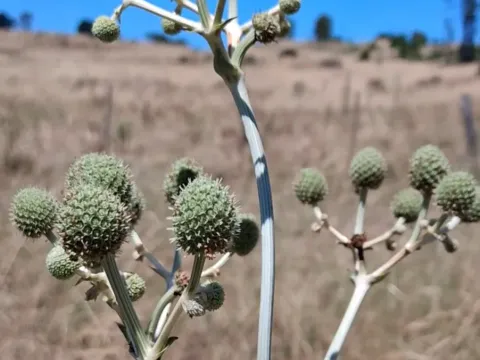
Eryngium horridum
Eryngium horridum
Eryngium horridum, a member of the Apiaceae family, is a robust herbaceous perennial known for its architectural form and rigid, spiny foliage. It is a highly resilient species that maintains its structural integrity even in challenging environmental conditions.
What the section contains
Eryngium horridum
Originating from the southern regions of South America, this plant is well-adapted to open grasslands and sunny plains. Its native distribution indicates a high tolerance for varied weather patterns and a preference for environments with plenty of natural light.
To achieve optimal growth, this crop requires well-drained, sandy, or loamy soil with a neutral to slightly acidic pH level. It is essential to ensure that the site does not collect standing water, as the root system is susceptible to decay if kept waterlogged.
The plant demonstrates significant climate adaptability, though it thrives best in temperate zones where thermal conditions stay consistent during the growing season. It is particularly valued in landscaping for its low-maintenance requirements once established.
Beyond its aesthetic appeal, the crop serves various commercial purposes, including its use in the floral industry as a high-quality dried decorative element. Its longevity and unique texture make it a popular choice for artisanal and agricultural design markets.
Eryngium horridum is naturally resistant to many pests and diseases, largely due to its tough cuticle and specialized chemical composition. This inherent resistance makes it an excellent choice for low-input agricultural production systems.
The most significant threat to the health of this crop is root rot caused by poor soil drainage. When plants are grown in heavy clay or compacted soils, the accumulation of moisture promotes the proliferation of pathogenic fungi, leading to plant failure.
Pest pressure is generally minimal; however, aphids may occasionally colonize the soft, developing flower stalks. Integrated pest management, focusing on biological controls, is typically sufficient to mitigate any damage caused by these insects.
Powdery mildew can sometimes appear if plants are grown in areas with poor air circulation and high humidity. Proper spacing during planting is the primary cultural practice recommended to ensure sufficient airflow and to reduce the likelihood of fungal outbreaks.
Farmers should implement a routine maintenance program that involves clearing debris and weeds, which helps prevent the overwintering of pathogens near the root crowns, ensuring a healthy growth cycle in subsequent seasons.