
Cortia depressa
Cortia depressa
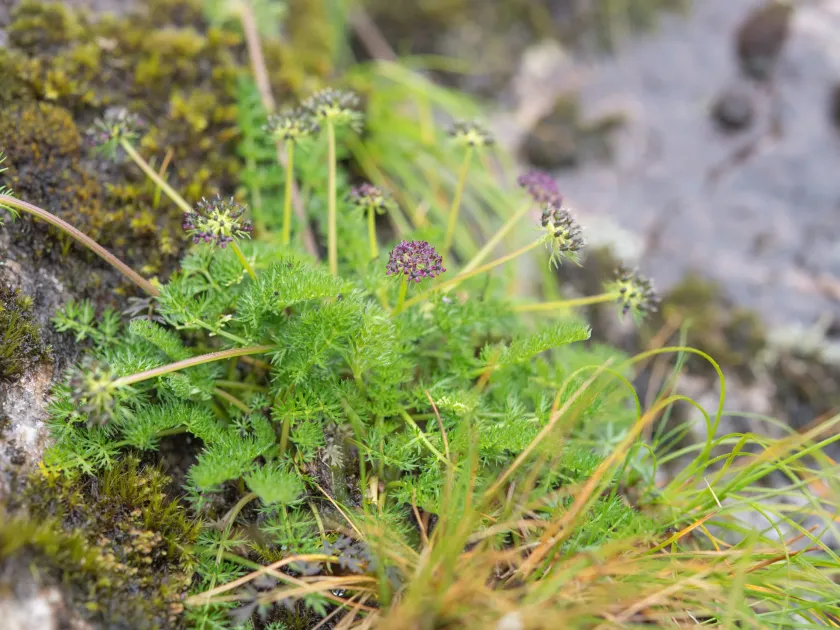
Description
Growing requirements
Cortia depressa is a perennial herbaceous plant belonging to the Apiaceae family. It is a highly specialized species that has evolved to thrive in the harsh ecological niches of high-altitude alpine zones.
The native range of this plant includes the high mountains of the Himalayas, specifically regions in Nepal, Tibet, and India. It typically inhabits rocky slopes and alpine scree where environmental conditions are extremely challenging for standard agricultural crops.
The soil requirements for Cortia depressa are very specific, focusing on well-drained, gritty, or stony substrates. Adequate aeration of the roots is crucial, as the plant is highly susceptible to root rot if moisture accumulates in the soil profile.
Climatic requirements involve tolerance to freezing temperatures, intense solar radiation, and significant diurnal temperature fluctuations. The plant requires a specialized approach in cultivation to simulate its native high-elevation environment to ensure proper development.
In terms of economic use, the species is valued primarily for its medicinal properties. The roots and foliage contain various secondary metabolites, including coumarins, which are historically utilized in traditional medicine systems to treat various health conditions.