
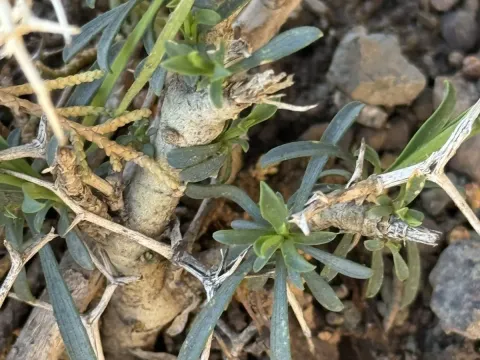
Bupleurum fruticescens
Bupleurum fruticescens
Sowing of Bupleurum fruticescens should take place in late autumn or early spring after a mandatory cold stratification period to improve germination rates. Seeds should be sown at a shallow depth of 1-2 cm in well-prepared, loose soil.
What the section contains
Bupleurum fruticescens
When cultivating on a field scale, maintaining row spacing between 45 and 60 cm is essential for effective weed control and mechanical inter-row cultivation. This spacing ensures adequate airflow for the plants.
Using seedling containers for initial growth allows for better control of environmental factors during the most sensitive early stage of development. Seedlings are ready for transplanting once they develop two to three true leaves.
Direct field seeding requires constant soil moisture during the first two weeks post-sowing to prevent the seeds from drying out. Using light irrigation or surface mulching helps create an ideal microclimate for sprouting.
The sowing density should be adjusted based on the soil fertility levels. Typically, a density resulting in 15-20 plants per linear meter is recommended for obtaining high-quality biomass.
Bupleurum fruticescens is a member of the Apiaceae family that thrives in full sun and well-drained soil conditions. It is remarkably drought-tolerant, making it a suitable candidate for cultivation in arid regions.
The preferred soil type is light, sandy loam or loamy soil with a neutral to slightly alkaline pH. Heavy, waterlogged soils must be avoided as they significantly increase the risk of root rot and plant decay.
Soil preparation involves deep plowing followed by the incorporation of organic matter. Phosphorus and potassium fertilizers are beneficial for promoting root growth and increasing overall frost resistance during the winter months.
The optimal temperature range for development is between 15°C and 25°C. While the plant can withstand extreme summer heat, providing supplemental moisture during prolonged drought spells can improve total yield significantly.
Good soil management, including effective weed removal, is vital as young Bupleurum plants grow slowly and are easily outcompeted by aggressive weeds in the early stages of their life cycle.
Root rot, often caused by poorly drained soil or excessive irrigation, remains the primary threat to the crop. Preventive measures include maintaining strict irrigation schedules and ensuring excellent field drainage.
Wireworms and other soil-dwelling larvae can pose a risk to the roots of young plants. Crop rotation is the most effective cultural practice to manage these pests and maintain healthy soil conditions.
Powdery mildew may occur on the foliage in humid, stagnant air conditions. Improving plant spacing and air circulation within the canopy is usually sufficient to mitigate the risk of fungal infections.
Aphids can target the flowering stems during the reproductive phase, potentially damaging seed set. Regular field monitoring is recommended to determine if biological controls are necessary to manage aphid populations.
Maintaining a healthy, balanced soil ecosystem is the key to minimizing plant stress and preventing disease outbreaks. Regular scouting and immediate removal of any infected plant debris are essential management tasks.