
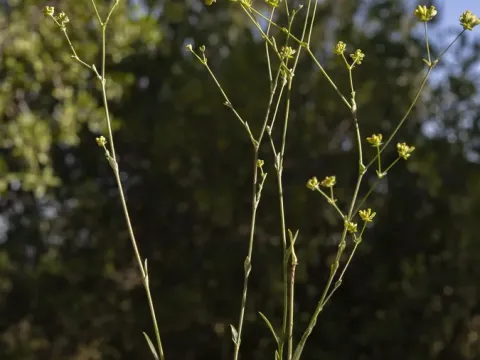
Bupleurum foliosum
Bupleurum foliosum
Bupleurum foliosum is a perennial herbaceous plant belonging to the Apiaceae family. To successfully cultivate this crop, the best time for sowing is early spring or late autumn, which allows the seeds to undergo natural stratification, essential for consistent germination.
What the section contains
Bupleurum foliosum
Seeds should be planted at a shallow depth of 1-2 centimeters. Due to their slow germination process, maintaining constant moisture in the topsoil layer during the initial growth phase is crucial for ensuring a uniform plant stand.
In commercial production, a row spacing of 45-60 centimeters is recommended. This setup facilitates proper plant care and allows for efficient mechanical maintenance of the field throughout the growing season.
During the first year, the plant develops slowly, forming primarily a basal rosette of leaves. The active stem formation and flowering occur in the second year, which represents the primary stage for harvesting the valuable biomass.
Using growth stimulants during seed preparation can significantly improve the germination rate. This step is vital for establishing a productive plantation and maximizing the overall yield of the culture.
This crop is relatively undemanding regarding climate and displays high winter hardiness. It thrives best in sunny locations, as light deficiency negatively affects the accumulation of essential bioactive compounds within the plant tissues.
The ideal soil is light, well-drained, sandy loam or loam with a neutral pH level. It is important to avoid areas prone to waterlogging, as excessive moisture can easily damage the root system and lead to decay.
Bupleurum foliosum responds positively to phosphorus and potassium fertilizers. Organic fertilizers should be incorporated during autumn soil preparation to ensure a gradual release of nutrients throughout the growth cycle.
Although the plant is drought-resistant, moderate watering during critical spring growth phases helps significantly increase the biomass, which is the main metric for crop productivity.
Effective weed control is a mandatory aspect of crop management. Since the plant competes poorly in the early stages, regular inter-row cultivation is necessary to provide the crop with optimal space and nutrients.
The yield of Bupleurum foliosum is determined by the output of dry aerial biomass. Under optimal conditions and sound management, one can achieve a harvest of 1.5 to 2.0 tonnes of high-quality dry raw material per hectare.
Harvesting is conducted during the peak flowering phase, as the concentration of flavonoids reaches its maximum at this stage. This ensures that the raw material meets the strict quality requirements of the pharmaceutical industry.
A well-managed plantation remains productive for 3 to 5 years. After this period, plant vigor typically declines, necessitating the renewal of the field to maintain consistent production levels.
Yield quality is heavily dependent on the drying process and the timing of the harvest. Sunny weather conditions during the flowering phase correlate directly with the metabolic activity and the final content of beneficial compounds.
To intensify vegetative mass production, applying nitrogen fertilizers in early spring is common. This practice stimulates rapid regrowth after winter and enhances the overall commercial value of the crop.
The main threats to this crop include fungal infections like powdery mildew, which often occur under high humidity conditions. Preventive thinning and proper aeration are effective measures for reducing infection risks.
Root rot is a common issue when soil drainage is insufficient. Choosing sites with excellent water percolation is the best preventive measure to ensure the long-term health of the root system.
Pests such as aphids and various weevils can damage leaves and flower buds. Regular field monitoring is essential for early detection and the implementation of targeted protective measures.
Integrated pest management, focusing on cultural practices rather than synthetic chemicals, is preferred to maintain the ecological purity of the medicinal product. High-quality seeds also minimize initial vulnerability.
If infestation reaches critical levels, biological control methods should be utilized. Chemical interventions should be treated as a last resort, strictly adhering to pre-harvest waiting periods for safety.
Harvesting is performed by mowing the aerial parts of the plant at a height of 10-15 centimeters. This ensures the protection of the basal rosette, allowing the plant to successfully recover and regrow for the next season.
Collected biomass must be transported quickly to the drying facility. Optimal drying temperature in specialized chambers should remain between 40 and 45 degrees Celsius to preserve the biological activity of the compounds.
Post-drying processing involves removing impurities, dust, and weed debris. Ensuring the final product meets standardized purity levels is vital for processing or export market success.
Storage should take place in dry, well-ventilated areas away from direct sunlight. Excessive exposure to light can cause the degradation of active compounds in the dried plant material.
Properly dried and stored raw material can retain its medicinal properties for up to two years. Strict adherence to storage protocols is key to maintaining the high market value of the farmer's produce.