
Mischogyne elliotianum
Mischogyne elliotianum
Description
Growing requirements
Mischogyne elliotianum is a tropical woody species belonging to the Annonaceae family. Native to the dense, humid rainforests of West and Central Africa, it typically grows in the understory layer, where it is shielded from intense direct sunlight by the forest canopy.
The climate requirements for this plant revolve around consistent, year-round high temperatures and a substantial amount of annual rainfall. It thrives in high-humidity environments and is poorly adapted to extreme temperature fluctuations or prolonged dry periods, making it a specialized tropical crop.
Soil quality is paramount for the health of Mischogyne elliotianum; it requires deep, well-draining soils rich in organic matter. While the plant appreciates fertile ground, waterlogged conditions are extremely detrimental to root health and must be avoided through careful site selection.
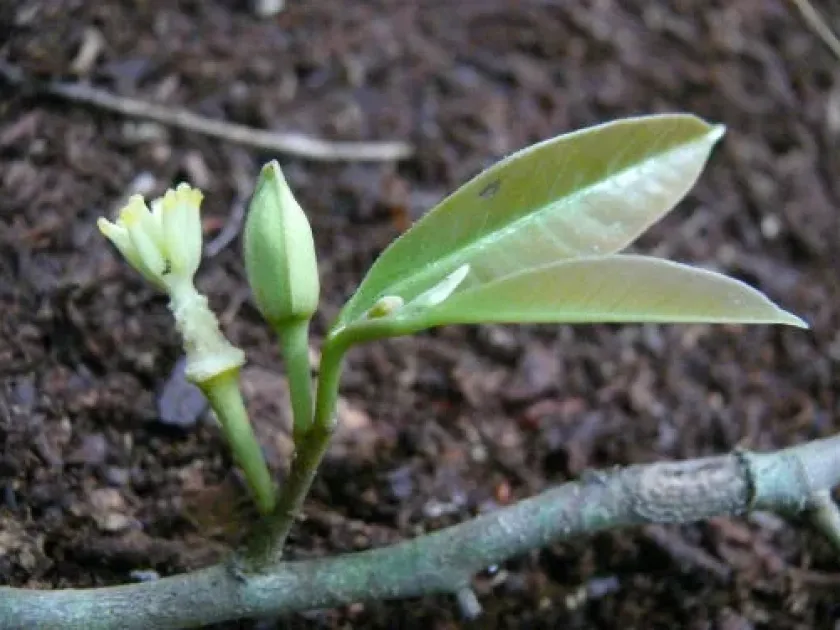
Botanically, the species is characterized by its distinct floral structure and edible fruits. These fruits are often harvested for local consumption, valued for their unique aromatic profile and nutritional content. The plant structure is adapted to the competitive environment of the tropical rainforest floor.
Cultivation practices for this species are largely experimental outside of its native range. When managed in agroforestry systems, the focus is on maintaining soil moisture and protecting the plants during the initial growth phase, often requiring canopy management to regulate light levels for young saplings.
Main diseases and pests
The primary threats to Mischogyne elliotianum include fungal pathogens that attack the root system, especially in soils with poor aeration. In its natural or cultivated habitat, the plant is also susceptible to foliage-consuming insects which can significantly impede development if left unchecked.