
Monodora grandidieri
Monodora grandidieri
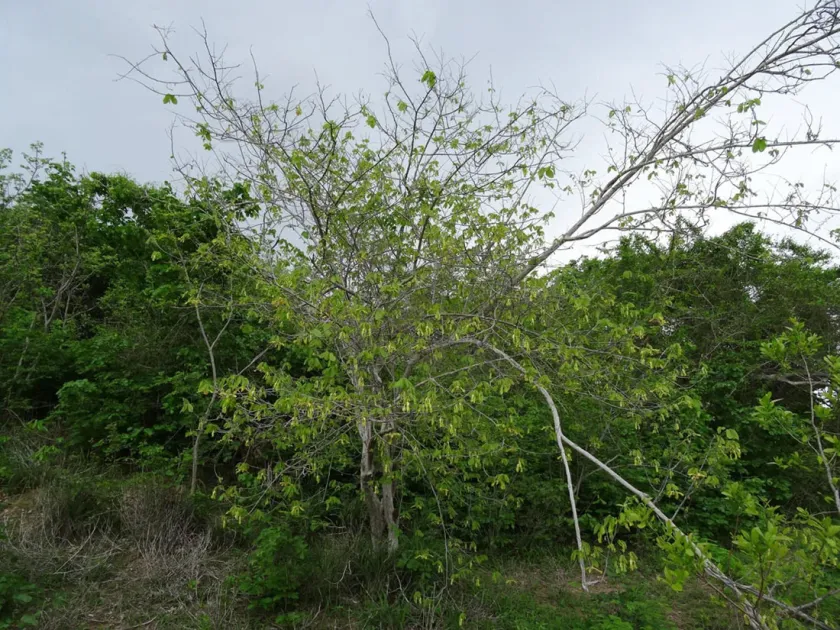
Description
Growing requirements
Monodora grandidieri is an evergreen tree belonging to the Annonaceae family, native to the tropical forests of East Africa and Madagascar. Known for its distinct botanical structure, it is valued for its aromatic seeds and ornamental flower morphology.
The culture thrives in tropical climates where the temperature remains consistent, ideally between 22°C and 30°C. It is highly sensitive to frost and cool spells, requiring protection if temperatures drop significantly during the development phase.
For optimal growth, the species requires fertile, well-drained soil rich in organic matter. Water management is critical; the tree requires regular moisture but cannot tolerate waterlogging, which often leads to root decay and nutrient uptake failure.
Shade or semi-shade conditions are ideal for younger plants, mimicking the natural understory environment of their origin. As the tree matures, it can tolerate more light, provided that soil moisture remains stable throughout the vegetative cycle.
Agricultural use of Monodora grandidieri focuses on its seeds, which are harvested for essential oils and culinary spices. The tree's botanical properties make it a subject of interest for sustainable agroforestry projects in tropical regions.
Main diseases and pests
Fungal pathogens represent the most significant threat to the health of the tree, especially in areas with poor airflow. Maintaining proper spacing and canopy structure is essential to mitigate the risk of leaf and stem infections.
Pests such as mealybugs and scale insects are common in orchard environments, particularly where plant density is high. Regular scouting and integrated pest management are required to prevent large-scale infestation of foliage.
Nutrient deficiencies, particularly involving trace elements like iron or magnesium, can occur in imbalanced soil conditions. Professional soil testing and customized fertilization programs are recommended to sustain tree vigor and yields.
Root rot is frequently associated with poor irrigation practices or heavy, clay-based soils that do not allow for sufficient drainage. Installation of reliable drainage systems is a standard precaution in professional cultivation.
Environmental stress, including sudden humidity drops, can lead to foliage drop and reduced productivity. Implementing overhead misting systems or mulch layers can help stabilize the microclimate for the trees in non-optimal regions.