
Desmos
Desmos
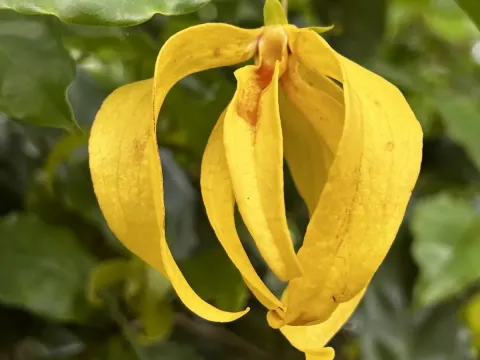
Desmos is a genus of woody plants belonging to the Annonaceae family. It consists mainly of evergreen shrubs and lianas characterized by a specific floral morphology.
What the section contains


Desmos
Native to the tropical regions of Southeast Asia, including India, China, Vietnam, and the Philippines, these plants thrive in humid forest environments and foothills.
Normal development of the crop requires consistently high air temperatures throughout the year without seasonal fluctuations. The plant is extremely frost-sensitive, making cultivation in temperate climates possible only in greenhouses.
Soil requirements include a loose, well-drained substrate with a high content of organic matter. A slightly acidic to neutral pH is necessary to ensure optimal nutrient uptake.
The culture is moisture-loving and requires regular watering, especially during the active growth phase. However, water stagnation in the root zone is fatal, so effective drainage is a critical agrotechnical factor.
The economic value of Desmos lies primarily in the perfumery and traditional medicine sectors, as its flowers possess an intense, persistent fragrance.
Industrial use of certain species, such as Desmos chinensis, is associated with the extraction of essential oils from the petals. Flower harvesting is performed manually, which requires significant labor input.
Yield depends directly on the age of the plant and the light quality during the bud formation period. Mature shrubs can provide a stable output of floral material with proper management.
In ornamental gardening, the plant is valued for the aesthetic appeal of its flowers, making it a sought-after object for botanical gardens and specialized nurseries.
The fruits of the plant consist of a chain of segments; while rarely consumed as food, they are significant for breeding research and preserving tropical biodiversity.
The main threats to Desmos in cultivation are associated with fungal diseases caused by excessive humidity and poor air circulation.
Pests such as spider mites and mealybugs often attack young shoots and leaves in greenhouse conditions if humidity control is neglected.
To prevent the spread of infections, regular sanitary pruning and the application of broad-spectrum fungicides at the first sign of infestation are highly recommended.
Nutrient deficiencies can lead to leaf chlorosis, which weakens the plant's immune system and makes it susceptible to secondary pathogens.
Timely monitoring of substrate composition and root system health allows for the minimization of productivity losses within the planting site.