
Desmos dumosus
Desmos dumosus
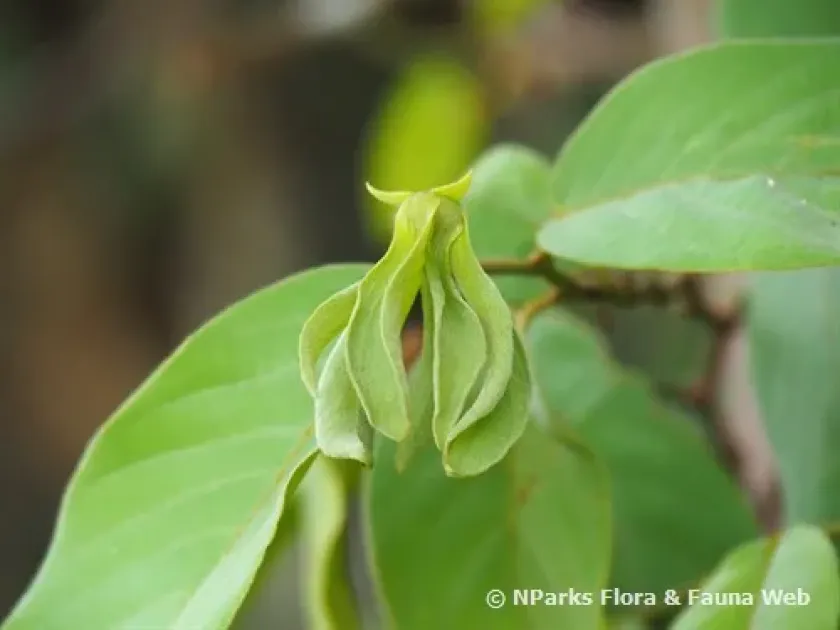
Description
Growing requirements
Desmos dumosus is a tropical woody plant belonging to the Annonaceae family. Naturally occurring in the rainforests of Southeast Asia, it is recognized for its climbing or sprawling habit and aromatic flowers, which are typical of its taxonomic lineage.
Climate requirements for this species include high humidity levels and stable, warm temperatures throughout the year. It does not tolerate cold drafts or sudden temperature drops, which can lead to significant physiological stress and leaf drop.
The soil should be nutrient-rich, well-draining, and slightly acidic. A mix of organic compost, perlite, and coarse bark is often recommended to mimic the forest floor conditions and ensure proper oxygen exchange for the roots.
Light management is crucial for the optimal development of Desmos dumosus. While it requires light for photosynthesis, direct midday sunlight in tropical climates can scorch the leaves; thus, filtered or dappled light is considered ideal.
Agronomic utilization of this crop is primarily focused on horticultural collections and potential extraction of biochemical compounds. Research into its pharmacological properties continues to expand, highlighting the plant's value beyond its aesthetic role.
Main diseases and pests
Spider mites are a common pest problem, especially in low-humidity environments. They cluster on the undersides of leaves, causing yellowing and webbing, which necessitates regular misting and preventative acaricide application.
Root rot caused by Phytophthora species is a critical threat. This disease thrives in waterlogged, compacted soils, making the maintenance of a high-quality drainage system a primary agronomic concern.
Scale insects can attach to the stems and petioles, extracting sap and weakening the plant's structural integrity. Physical removal followed by horticultural oil treatment is an effective control strategy.
Botrytis blight may affect flowers and foliage during prolonged periods of high moisture and stagnant air. Increasing greenhouse ventilation and spacing between plants are essential cultural practices to mitigate this risk.
Nutrient imbalances, particularly iron deficiency, often manifest as interveinal chlorosis. Regular testing of substrate pH and nutrient composition allows for timely fertilization adjustments to maintain vibrant foliage color.