
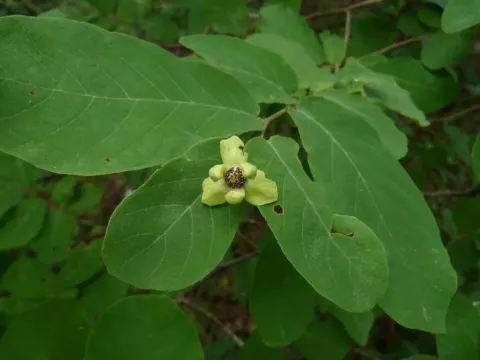
Friesodielsia
Friesodielsia
The genus Friesodielsia belongs to the Annonaceae family and encompasses a variety of evergreen shrubs and climbing vines. These plants are native to the tropical forests of Africa and Southeast Asia, where they thrive in warm and humid conditions.
What the section contains
 Friesodielsia biglandulosa
Friesodielsia calycina
Friesodielsia calycina
Friesodielsia enghiana
Friesodielsia enghiana
Friesodielsia fornicata
Friesodielsia fornicata
Friesodielsia glauca
Friesodielsia glauca
Friesodielsia gracilipes
Friesodielsia gracilipes
Friesodielsia biglandulosa
Friesodielsia biglandulosa
Friesodielsia calycina
Friesodielsia calycina
Friesodielsia enghiana
Friesodielsia enghiana
Friesodielsia fornicata
Friesodielsia fornicata
Friesodielsia glauca
Friesodielsia glauca
Friesodielsia gracilipes
Friesodielsia gracilipes
 Friesodielsia hirsuta
Friesodielsia hirsuta
Friesodielsia hirsuta
 Friesodielsia latifolia
Friesodielsia latifolia
Friesodielsia latifolia
Friesodielsia
Their natural habitat is characterized by a dense forest canopy that provides shade, protecting the foliage from intense direct sunlight. The plants require high ambient humidity and consistently warm temperatures to ensure proper vegetative growth throughout the year.
Soil requirements for Friesodielsia include well-drained, nutrient-rich substrates, typically found in organic-heavy forest soils. They are particularly sensitive to waterlogging, which can cause root rot, making effective drainage a critical component of their cultivation.
Agrotechnical management requires mimicking their natural environment. In greenhouses, this involves using specialized soil mixtures, maintaining high humidity levels, and providing vertical support structures to accommodate their vining nature.
Biological features include specialized alkaloid production and distinct floral structures typical of the Annonaceae family. Understanding these features is essential for researchers exploring the potential applications of the genus in modern medicine and horticulture.
The harvest of Friesodielsia is primarily limited to small-scale collections in their native regions. Certain species are known for their fruit or bark, which are utilized in indigenous medicinal practices for their chemical properties.
Harvesting techniques involve manual selection of ripe fruit or controlled bark stripping, often carried out during specific growth phases to maximize the concentration of active compounds. Traditional knowledge plays a key role in identifying the optimal harvest time.
While some fruits are considered edible, their consumption is generally limited to local communities. The botanical diversity within the genus suggests that further screening is needed to determine the nutritional and pharmacological potential of these fruits.
In ornamental settings, harvesting is not the primary objective; instead, pruning is used to manage the plant's architecture. Regular maintenance ensures the longevity of the plant and promotes the health of its root system in containerized or greenhouse growth.
As interest in tropical biodiversity grows, Friesodielsia represents an area for potential agricultural development. Future efforts may focus on domesticating these plants for sustainable pharmaceutical production or as exotic additions to specialty landscaping projects.