
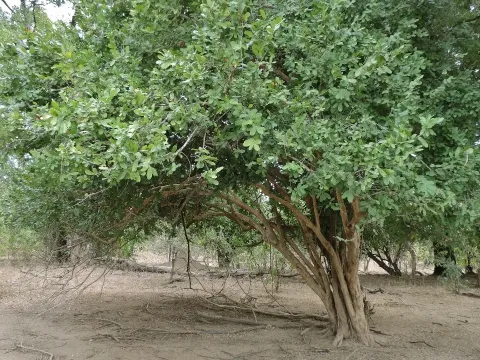
Cleistochlamys
Cleistochlamys
Cleistochlamys is a genus of flowering plants belonging to the Annonaceae family. This genus is primarily native to the tropical regions of Africa, where it thrives in varied savanna and woodland environments.
What the section contains

Cleistochlamys
As a tropical woody plant, it requires stable warm temperatures and a distinct balance of moisture. It prefers well-drained, nutrient-rich soils that support its moderate growth rate during the rainy season.
The botanical features include distinct alternate leaves and actinomorphic flowers. The genus is named for the characteristic structure of its petals, which often remain closed or partially enclosed during the early stages of blooming.
In terms of хозяйственного (economic) potential, the fruits are valued by local communities for their nutritional properties. The wood is also utilized in traditional construction and local artisanal crafts.
While not a major commercial crop, research into the genus suggests its suitability for agroforestry initiatives, provided the climate mimics its natural tropical African habitat.
Common threats to Cleistochlamys include fruit-infesting insects that are prevalent in the tropical savanna zones where the trees naturally occur.
Fungal pathogens may arise in environments with poor air circulation, particularly affecting the foliage during seasons of high humidity and rainfall.
Young trees are susceptible to herbivory by wild animals, which can stunt the growth and overall development of the plants in their natural range.
Management of these threats is usually minimal due to the plant's current status as a wild-growing species rather than a commercial agricultural commodity.
Standard horticultural practices, such as pruning and site selection, are recommended for maintaining tree health if cultivating within a botanical or tropical orchard setting.