
Desmos chinensis
Desmos chinensis
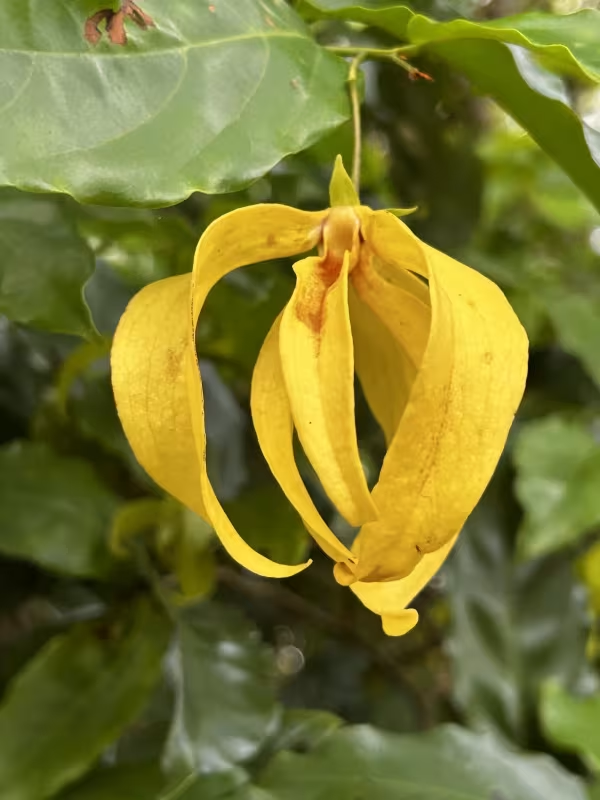
Description
Sowing dates
Propagation of Desmos chinensis is primarily achieved through seeds, which should be sown as fresh as possible to ensure high germination rates. The seeds need a warm and humid environment to initiate the sprouting process effectively.
The ideal sowing substrate consists of a well-draining mixture of peat moss, perlite, and coarse sand. Keeping the soil consistently moist is critical during the first few weeks after sowing the seeds in a controlled environment.
Temperature management is vital, with a preferred range of 25 to 30 degrees Celsius. Providing bottom heat can significantly shorten the time required for germination and improve the uniformity of the seedling stands.
Once the seedlings develop their first true leaves, they should be carefully transplanted into individual pots. Minimizing root disturbance is essential, as the young plants are sensitive to changes in their growing medium.
Light levels for seedlings should be kept bright but indirect to prevent scorching. Gradually acclimating the young plants to higher light levels as they mature will build stronger stems and more resilient foliage.
Growing requirements
Desmos chinensis, often known for its fragrant flowers, belongs to the Annonaceae family. It is a tropical shrub that thrives in warm climates and requires consistent temperatures to maintain active metabolic growth.
The plant prefers rich, fertile, and slightly acidic soil that drains well. Waterlogging is a major risk for this species, so proper drainage in pots or garden beds is non-negotiable for long-term survival.
High relative humidity is necessary for optimal development. In drier regions, regular misting or the use of humidifiers is recommended to mimic the tropical environment from which this plant originates.
As a light-demanding crop, it performs best in full sun to partial shade. However, in regions with extremely high UV radiation, some afternoon protection is recommended to prevent leaf burn and dehydration.
Regular maintenance pruning is essential to manage the plant's size and encourage branching. Since flowers are borne on new growth, timely pruning cycles are directly linked to the plant's overall flowering performance.
Main diseases and pests
Pests such as spider mites and mealybugs are the primary threats to Desmos chinensis. These insects tend to thrive in dry conditions or when the plant is stressed due to inadequate watering or nutrient deficiency.
Fungal diseases, including leaf spot and root rot, are common when soil moisture remains excessively high for extended periods. Improving airflow around the canopy is the most effective preventative measure.
Nutrient imbalances, particularly iron deficiency in alkaline soils, can lead to chlorosis. Regular testing of soil pH and the application of balanced, micro-nutrient-rich fertilizers are recommended to prevent yellowing leaves.
Integrated Pest Management (IPM) strategies should be prioritized, focusing on cultural practices and biological controls before resorting to chemical interventions. Neem oil and insecticidal soaps are usually sufficient for minor outbreaks.
Routine inspection of the undersides of leaves is essential for early detection of pests. Catching an infestation during its early stages prevents the need for drastic measures and keeps the plant's foliage healthy and productive.
Harvesting
Harvesting the aromatic flowers of Desmos chinensis is best done in the early morning hours. This timing ensures that the volatile oils, which are responsible for the plant's distinct scent, are at their maximum concentration.
Flowers should be carefully clipped using sharp pruning shears rather than picked by hand to prevent damaging the delicate twigs. Proper harvesting technique preserves the integrity of the shrub for future flowering cycles.
Post-harvest processing involves drying the flowers in a cool, dark, and well-ventilated space. Quick drying is necessary to prevent microbial growth and ensure the preservation of the essential oils for industrial use.
The harvested material is frequently utilized in the perfumery and aromatherapy industries. The unique, sweet fragrance makes it a high-value raw material when handled and stored with precision.
Successful yield management requires monitoring the plant's flowering waves. By harvesting regularly, producers can stimulate the plant to channel energy into producing more flower buds throughout the growing season.