
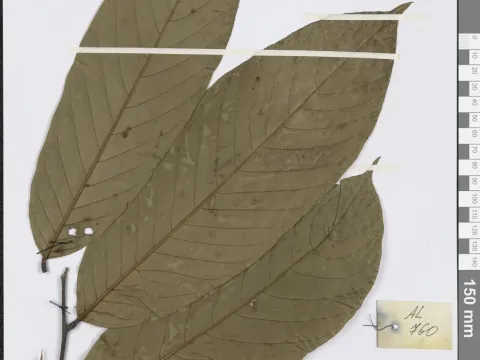
Cyathocalyx
Cyathocalyx
Cyathocalyx is a genus of evergreen trees belonging to the Annonaceae family. These plants are native to the tropical rainforests of Southeast Asia, thriving in regions characterized by high precipitation and warm, stable temperatures throughout the year.
What the section contains


Cyathocalyx
The ideal growing conditions for Cyathocalyx include a tropical climate with temperatures consistently between 22 and 30 degrees Celsius. High atmospheric humidity is essential for the tree's health, as it mimics the natural microclimate of the rainforest understory.
For optimal growth, the soil must be deep, well-draining, and rich in organic matter. Sandy loams or alluvial soils are preferred, as they allow for adequate aeration of the roots while maintaining sufficient moisture levels for the tree to thrive.
In terms of agricultural management, light intensity plays a crucial role. While young saplings are shade-tolerant, mature trees require filtered sunlight to maintain vigorous growth and produce quality wood. Proper spacing is necessary to ensure enough airflow between individual trees.
The economic utility of Cyathocalyx primarily involves timber production, known for its specific physical properties suitable for local construction. Additionally, various parts of the plant are being researched for phytochemical potential, contributing to its value in ethnobotanical studies.
Common threats to Cyathocalyx involve root diseases linked to poor drainage systems, which lead to fungal infestations. Ensuring a sloped planting area or well-drained soil layers is vital to mitigating these moisture-related risks.
Pests such as bark-boring beetles and certain tropical foliage-feeding insects can jeopardize tree health. Integrated pest management, focusing on biological controls and regular field inspections, remains the most effective strategy for preserving these plantation stands.