
Early Desmos
Desmos praecox
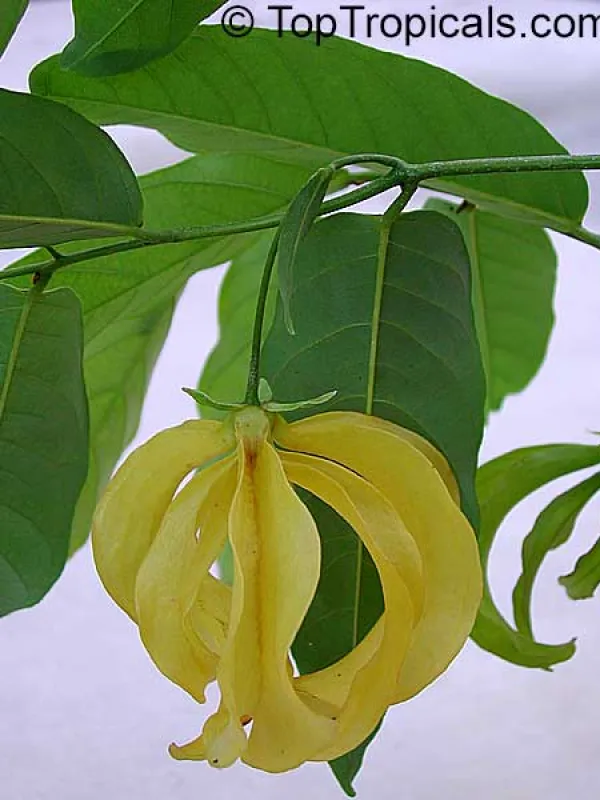
Description
Sowing dates
Early Desmos, a member of the Annonaceae family, is a tropical species that requires warm conditions for successful cultivation. The optimal time for sowing is when the soil temperature consistently reaches 25–28 degrees Celsius, mimicking the onset of the rainy season in its native habitat.
Seeds should be sown in a well-draining, nutrient-rich substrate. It is critical to maintain constant moisture levels during the germination phase, as the seeds are highly sensitive to drought during the initial development of the radical.
In regions with fluctuating temperatures, using a greenhouse or protective tunnel is recommended for the initial seedling stage. This provides the stable climate necessary for robust shoot development before the plants are transitioned to permanent plots.
Planting density is an important factor to consider during the sowing layout. Proper spacing ensures adequate airflow between plants, which is vital for preventing the microclimate conditions that favor fungal diseases in tropical species.
Pre-treatment of seeds, such as gentle soaking in warm water, can significantly increase the germination rate. This step helps soften the seed coat and reduces the time required for emergence, leading to more uniform seedling growth across the plantation.
Growing requirements
This crop demands high light intensity for optimal growth and fruit development. Sites with full sun exposure throughout the day are preferred, as shaded areas can result in leggy plants and significantly reduced flowering potential.
The ideal soil for Early Desmos is deep, well-draining, and rich in organic matter. While it tolerates various soil types, loamy soils that provide a balance of water retention and drainage are considered the best for sustained productivity.
High relative humidity is essential for the healthy vegetative growth of this species. In dryer climates, supplemental irrigation via misting systems is necessary to maintain humidity levels above 70 percent to prevent leaf scorch and stress.
Nutrient management should focus on providing balanced fertilizers with a sufficient supply of micronutrients. Annual applications of compost or well-rotted manure help maintain soil structure and support the long-term fertility required for high yields.
Protection from strong winds is crucial, especially during the flowering and fruit-setting stages. Establishing windbreaks or using supportive structures can prevent damage to branches and reduce the risk of mechanical injury to the developing fruit.
Yield
The yield of Early Desmos depends largely on effective pollination, which usually relies on specialized insect activity. Maintaining a diverse ecosystem around the farm can help ensure a stable presence of natural pollinators.
Productivity increases significantly as the plants mature. While young plants may produce limited yields, a well-managed plantation can reach peak production within a few years, provided that irrigation and nutrient requirements are consistently met.
Proper pruning is a key technique for maximizing harvest volumes. By removing non-productive wood and shaping the crown to improve light penetration, growers can stimulate the development of more fruit-bearing branches.
The harvest period requires careful monitoring to ensure that fruits are picked at the correct stage of maturity. Consistent moisture levels during the fruit expansion phase are critical to prevent quality issues such as fruit cracking or poor development.
Yield management also involves assessing the plant's health and vigor during the post-harvest phase. Providing post-harvest recovery nutrients ensures that the plant has enough energy to successfully complete its next flowering cycle.
Main diseases and pests
Fungal infections, particularly in humid conditions, are the primary threat to this crop. Diseases like anthracnose and powdery mildew can spread rapidly, requiring proactive measures such as good field sanitation and the use of preventative fungicides.
Pests such as mites and aphids can cause substantial damage to tender new growth. Integrated pest management, involving regular monitoring and the use of beneficial insects, provides a sustainable approach to controlling these populations.
Root-knot nematodes can pose a significant challenge in tropical soils, weakening the plant and increasing susceptibility to other pathogens. Using nematode-resistant rootstocks or soil solarization techniques are effective preventative strategies.
Bacterial wilt can occur in waterlogged soils, making precise irrigation management essential. Ensuring that the site is well-drained and that plants are not over-watered is fundamental to preventing the development of this severe disease.
Virus-transmitting insects must be controlled to prevent the spread of systemic diseases. Maintaining clean fields by removing weeds that serve as alternative hosts for these insects helps preserve the overall health of the plantation.
Harvesting
Harvesting Early Desmos requires a delicate touch, as the fruit is prone to bruising. Fruits are typically picked by hand at the first sign of maturity, ensuring they are not dropped or pressed during the collection process.
Sorted fruits should be placed in well-ventilated containers to prevent overheating and moisture buildup. Quality control at the harvest stage is vital, as damaged fruit can quickly introduce rot to the rest of the batch.
The post-harvest cooling process is important for extending the shelf life of the fruit. Lowering the temperature soon after harvest helps to slow down the ripening and metabolic processes, maintaining the quality until it reaches the market.
Transporting the fruit requires careful handling, utilizing cushioned containers to minimize damage from vibrations or movement. Proper logistics ensure that the product retains its texture and nutritional quality throughout the supply chain.
After the harvest is complete, it is important to clear the fields of any fallen fruit or debris. This practice reduces the presence of pests and pathogens in the soil, creating a healthier environment for the next growing season.