
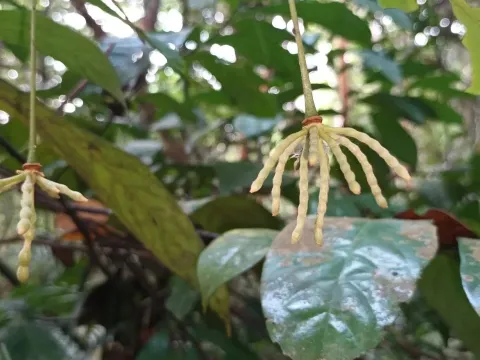
Dasymaschalon
Dasymaschalon
Dasymaschalon is a genus of evergreen shrubs and small trees belonging to the Annonaceae family. These plants are native to the tropical regions of Southeast Asia, where they thrive in warm and humid environments with high precipitation levels throughout the year.
What the section contains

Dasymaschalon
Cultivation requires a stable temperature range, typically between 20 and 30 degrees Celsius. The species cannot survive frost, making greenhouse production essential for any location outside of their native tropical and subtropical distribution range.
Soil requirements focus on high organic matter content and excellent drainage capacity. The substrate should be loose enough to allow oxygen to reach the roots, as compacted soils frequently lead to physiological stress and root system failure.
Humidity is a critical success factor for Dasymaschalon. Providing an environment with high ambient moisture, often through fogging systems or regular misting, is necessary to mimic the natural microclimate of the rainforest understory.
Light management involves protecting the foliage from intense, direct solar radiation. As typical understory plants, they perform best under filtered or diffused light conditions, which preserve the health and deep green color of the leaves.
The primary threats to Dasymaschalon include fungal diseases such as root rot, which are often caused by poor drainage and excessive watering. Once the root system is compromised, the recovery of the plant is rarely successful.
Common horticultural pests include spider mites and scale insects. These pests often exploit suboptimal conditions, such as dry air or low ventilation, to multiply rapidly and damage the plant's vascular system.
Lack of proper air circulation creates a favorable environment for various pathogens and mold. Maintaining adequate spacing between individual plants is a recommended practice to ensure sufficient airflow.
Nutritional imbalances can cause leaf chlorosis and stunted growth. It is important to monitor the pH level of the soil and apply balanced fertilizers to maintain proper metabolic processes within the plant tissues.
Regular monitoring for early signs of infection or infestation is essential for effective pest management. Implementing integrated pest control strategies helps maintain plant vigor without excessive chemical intervention.