
Desmos viridiflorus
Desmos viridiflorus
Description
Growing requirements
Desmos viridiflorus is a notable evergreen plant species belonging to the Annonaceae family. It is natively found in the tropical regions of Southeast Asia, thriving in humid environments with high precipitation levels throughout the year.
This crop requires a tropical climate to reach its full development potential. Ideally, ambient temperatures should remain between 20°C and 30°C. Any exposure to frost will result in irreversible damage to the plant tissue, making it strictly a greenhouse crop in temperate regions.
The soil requirements are specific: it demands a well-draining substrate rich in organic matter. A mixture of forest soil, compost, and coarse sand provides the necessary aeration for its root system, preventing the common issue of root asphyxiation due to heavy, compacted soils.
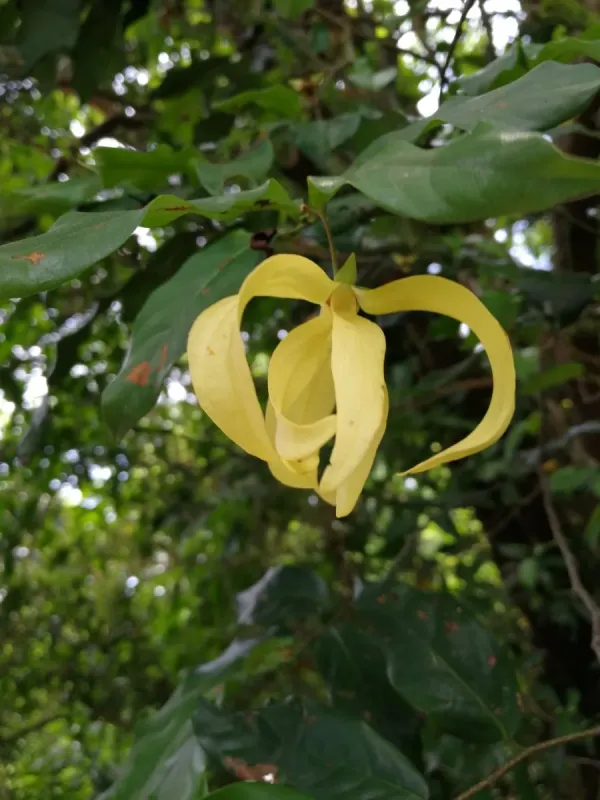
Botanically, the plant is characterized by its distinct green flowers and climbing or scrambling habit. The leaves are typically oblong, dark green, and glossy, which helps the plant reduce transpiration while maximizing light absorption in shaded forest floor conditions.
In terms of agricultural use, this plant is primarily cultivated in botanical gardens and specialist nurseries. Some research points toward its potential as a source of floral essential oils, which possess unique aromatic profiles valued in niche fragrant manufacturing.
Main diseases and pests
Desmos viridiflorus is susceptible to various fungal pathogens when cultivated in poorly ventilated greenhouses. High humidity coupled with low airflow encourages the growth of powdery mildew and leaf spot pathogens on the foliage.
Common pests include spider mites and aphids, which are particularly problematic in dry indoor environments. These insects extract sap from young shoots, leading to stunted growth, leaf curling, and in severe cases, the death of the apical meristem.
Agricultural management requires integrated pest control measures. This includes maintaining optimal humidity levels to deter spider mites and using organic insecticidal soaps to manage early infestations before they spread to the rest of the canopy.
Root rot caused by Phytophthora species is a major threat in soils that lack adequate drainage. The symptoms include leaf yellowing and wilting even when soil moisture seems adequate, indicating that the vascular system is compromised.
- Regular monitoring for signs of scale insects.
- Ensuring proper spacing between plants to maximize airflow.
- Applying light pruning to remove diseased wood or overcrowded branches.