
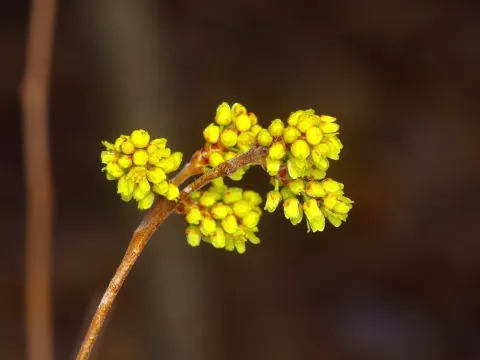
Fragrant sumac
Rhus aromatica
Fragrant sumac (Rhus aromatica) is a deciduous shrub belonging to the Anacardiaceae family. Native to North America, it is widely recognized for its ecological adaptability and unique aromatic foliage.
What the section contains
Fragrant sumac
The cultivation of this species requires well-drained soil types. It is exceptionally tolerant of poor, rocky, and sandy soils, making it an excellent candidate for erosion control and hillside stabilization projects.
Regarding climate, fragrant sumac is highly adaptable, exhibiting excellent winter hardiness. It thrives in full sun exposure but maintains a healthy growth rate even when planted in partial shade environments.
Maintenance is minimal once the root system is established. The plant is notably drought-tolerant, meaning supplemental irrigation is generally not required for mature specimens after the first two seasons.
Cultural practices include occasional pruning to maintain a desirable shape. Removing dead wood in early spring encourages healthy growth and keeps the shrub dense and aesthetically pleasing for landscaping purposes.
Fragrant sumac is widely considered a low-maintenance plant with very few serious health issues. Its natural resistance to many common pests makes it a popular choice for sustainable gardening.
Potential threats are limited to occasional fungal issues, such as powdery mildew, which can develop if air circulation is restricted. Pruning practices are the primary method of preventing these outbreaks.
Root rot is the most significant concern, usually resulting from poor drainage or excessive soil moisture. Site selection is critical to ensure the root zone does not remain waterlogged for extended periods.
Insects such as aphids may occasionally appear but rarely cause economic or aesthetic damage. Biological control agents typically manage these populations naturally without the need for chemical intervention.
Overall, keeping the planting site weed-free and providing adequate space for the plant's spread is the best defense against pests and diseases throughout its growth cycle.