
Giant Cashew
Anacardium giganteum
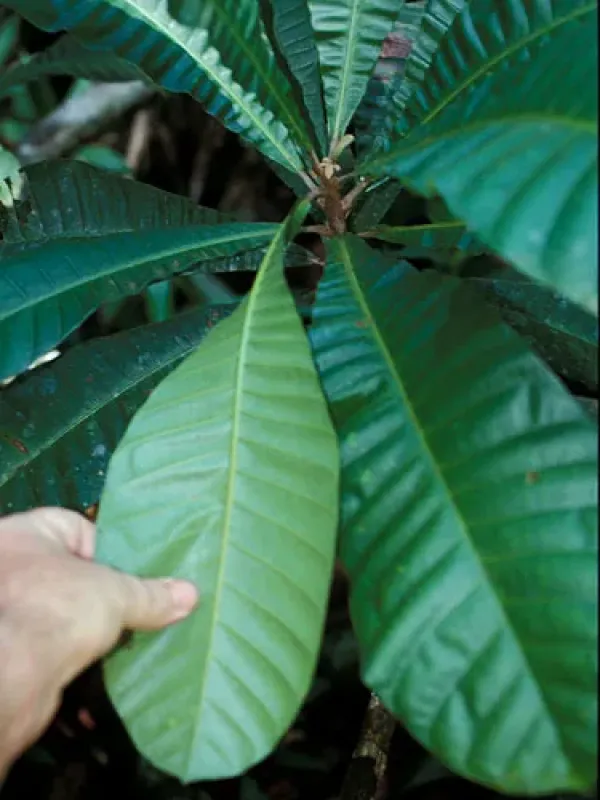
Description
Growing requirements
The Giant Cashew (Anacardium giganteum) is a large evergreen tree belonging to the Anacardiaceae family. It is a close relative of the common cashew (Anacardium occidentale) but is distinguished by its massive physical size, often reaching heights of over 30 meters in the wild.
The species is native to the tropical regions of South America, particularly the Amazon basin. It thrives in high-humidity environments and is strictly limited to tropical zones where seasonal fluctuations are minimal and rainfall is abundant throughout the year.
Cultivation requires deep, well-drained soil, typically loamy or sandy alluvial soils. The plant is highly sensitive to waterlogging; therefore, selecting a site with proper drainage is essential for maintaining root health and preventing decay during the rainy season.
As a strictly tropical plant, it has no frost tolerance. Optimal growth and successful fruit production occur within a narrow temperature range, ideally between +24°C and +30°C, requiring a warm, stable climate for consistent development.
During the early establishment phase, young trees benefit from partial shade to protect foliage from intense solar radiation. Once mature, however, the tree requires full sun exposure to promote a robust canopy structure and optimize flower bud initiation.
Yield
The primary agricultural output of the Giant Cashew includes both the cashew apple and the nut. The apple, which is a swollen peduncle, is highly perishable and used for juice, jellies, and fermented beverages, while the nut is harvested for its oil-rich seed.
Beyond food products, the tree has commercial timber potential. The wood is durable and used for light construction, tool handles, and furniture making in its native regions, provided that the drying process is managed carefully to avoid warping.
Commercial plantations typically begin to bear fruit between 5 to 7 years of age. However, peak yield potential is generally reached after 10 to 15 years, requiring long-term investment and proper management of tree spacing for optimal air circulation.
The harvesting process requires specialized training and protective gear. The shell of the nut contains a toxic, caustic resin (cardanol) that can cause severe skin irritation and chemical burns, necessitating careful handling during the post-harvest phase.
Global interest in this species is rising due to its versatility and high yield of raw material, although its large size poses mechanical challenges for harvesting compared to the smaller, more common commercial cashew species.
Main diseases and pests
The species is susceptible to various fungal pathogens, most notably anthracnose, which thrives in the high-humidity tropical conditions. These diseases often target the flowers and developing fruits, leading to significant yield losses if left untreated.
Insect pests represent another major threat, particularly those that feed on tender new growth or bore into the bark. Regular monitoring for scales, mealybugs, and borers is critical to prevent colony establishment on younger, more vulnerable trees.
Integrated Pest Management (IPM) is the recommended strategy for large-scale operations. This involves preserving natural predator populations and using botanical or biological pesticides to mitigate pest outbreaks without damaging the local ecosystem.
Sanitation practices are essential for disease control. Regularly removing diseased debris, clearing fallen leaves, and pruning crowded branches reduces the humidity levels within the canopy, making the environment less favorable for pathogen proliferation.
When applying chemical treatments, it is crucial to follow strict safety protocols. Overuse of systemic insecticides can harm pollinating insects, which are vital for the fertilization of the flowers and the ultimate production of a viable crop.