
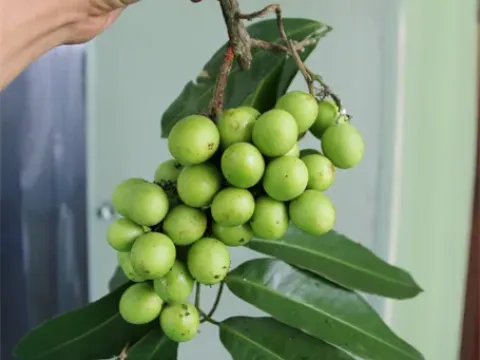
Gandaria
Bouea oppositifolia
Gandaria (Bouea oppositifolia) can be propagated through seeds or vegetative methods such as grafting and air layering. Fresh seeds should be sown immediately after removal from the fruit to maintain viability.
What the section contains
Gandaria
Seeds are typically placed in a well-draining potting medium under high humidity and warm conditions. Germination usually occurs within a few weeks, depending on the freshness of the seed and ambient temperature.
For commercial orchards, vegetative propagation is strongly recommended. Grafting ensures the clone maintains the superior fruit quality and early fruiting characteristics of the parent tree.
Transplanting should occur at the onset of the rainy season to allow the root system to establish itself before the onset of any potential dry spells.
Proper spacing, usually 8 to 10 meters apart, is crucial to ensure optimal sunlight penetration and canopy development, which are essential for consistent annual yields.
As a member of the Anacardiaceae family, Gandaria is a strictly tropical species. It thrives in regions with consistently high temperatures and requires protection from even the mildest frost.
The tree prefers deep, fertile, and well-draining soils. While it can adapt to various soil types, loamy soils rich in organic matter provide the best environment for robust growth.
Adequate water availability is essential throughout the growing cycle. Although established trees show some tolerance to short drought periods, regular irrigation is necessary for optimal fruit development.
Full sun exposure is preferred for maximum productivity. Shaded environments often result in sparse foliage and reduced flower induction, negatively impacting the total harvest.
Good soil management, including mulching and weed control, is necessary to maintain moisture and prevent the competition for nutrients that could stunt young saplings.
Seed-grown trees may take 5 to 8 years to begin fruit production. In contrast, trees propagated through grafting significantly reduce this time, often yielding fruit within 3 to 4 years.
The fruit is a juicy, round drupe that ranges in color from yellow to orange upon ripening. The flesh is soft and sweet-sour, often described as having a flavor profile similar to mangoes.
A healthy, mature Gandaria tree can produce between 50 and 150 kilograms of fruit per season, depending on the specific cultivar, tree age, and environmental management practices.
Flowering usually coincides with the transition between wet and dry seasons. Proper pollinator presence, such as native bees and insects, is vital for high fruit set rates.
Ongoing maintenance, including light pruning to open the canopy, encourages more fruiting wood and facilitates easier harvesting operations during the peak season.
Fruit flies are the most significant pest for Gandaria. They deposit eggs into ripening fruit, causing larvae to destroy the pulp and rendering the harvest commercially unviable.
Anthracnose is a common fungal disease that affects the leaves, blossoms, and fruits, especially in high-humidity climates, often leading to flower drop and reduced crop yield.
Scale insects and mealybugs can infest the branches and lower leaf surfaces, weakening the plant by extracting sap and potentially fostering sooty mold growth.
Root rot, driven by poor soil drainage and waterlogging, is a critical threat to the tree's health and can lead to rapid decline and mortality if not managed promptly.
Integrated pest management, including regular tree inspection, sanitary pruning, and the use of targeted biological controls, is essential for maintaining a healthy orchard.
Harvesting is performed manually by clipping the fruit with a portion of the stem. This prevents damage to the delicate skin and prevents excess sap leakage from the fruit base.
Maturity is indicated by the transition of the skin color to a vivid yellow or orange and a slight softening of the fruit texture, signaling the development of its peak flavor.
The fruit is highly perishable and has a short shelf life. Immediate distribution or cold storage is required to prevent rapid ripening and post-harvest fermentation.
In addition to fresh consumption, Gandaria fruits are widely used in the production of juices, jams, chutneys, and savory salads, providing high-value options for product diversification.
Careful packaging in crates with protective liners is necessary for transportation to minimize bruising, which is the primary cause of post-harvest quality loss in this crop.