
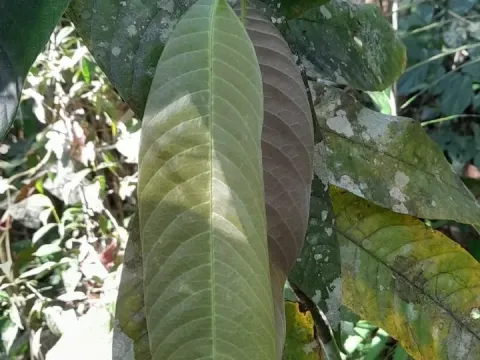
Gandaria
Bouea
Gandaria, scientifically known as Bouea macrophylla, is a member of the Anacardiaceae family. While seed propagation is common, it results in high variability, making grafting the preferred method for commercial orchards to ensure consistent fruit quality and shorter time to harvest.
What the section contains

Gandaria
Seeds should be planted as soon as they are removed from the fruit because their viability decreases rapidly. A loose, well-draining potting medium is essential to prevent seedling rot during the delicate germination phase.
Young plants are sensitive to direct sunlight and require partial shade during their initial development. Proper hydration must be maintained, but overwatering is a major risk that can lead to root system failure in early growth stages.
Nursery-grown saplings are transplanted to their permanent location once they develop a robust stem and sufficient foliage. Providing adequate spacing, typically 10 to 12 meters apart, is crucial for the tree's long-term health and productivity.
Soil preparation involves incorporating organic matter and ensuring a neutral pH level. This preparation supports the tree's slow but steady growth rate during the juvenile period.
Gandaria thrives in humid, tropical lowland environments where temperatures remain stable between +22 and +30 degrees Celsius. The tree has virtually no tolerance for frost, which can kill young specimens instantly.
Deep, fertile, and well-drained soils are necessary for optimal growth. While the tree appreciates moisture, it cannot withstand waterlogged conditions, which often lead to fungal root diseases that are difficult to manage.
The tree requires significant sunlight to promote flowering and fruit set. In shaded areas, the tree may exhibit vigorous vegetative growth but will produce very few fruits, negatively impacting the orchard's profitability.
Regular application of balanced fertilizers is recommended, especially in orchards where native soil fertility is low. Micronutrients should also be monitored to prevent chlorosis and other deficiency symptoms.
Wind protection is an important agronomic factor. While the trees are sturdy, strong winds can damage the delicate branches and reduce the yield by causing premature fruit drop.
The yield of a Gandaria tree depends on its maturity and the quality of maintenance. Seed-grown trees may take up to a decade to bear fruit, whereas grafted trees usually begin producing within 3 to 5 years.
Harvesting is typically seasonal, following the main tropical rain patterns. A healthy, mature tree can produce a substantial harvest of high-quality, vitamin-rich fruits that are prized for their unique mango-like aroma.
Pruning is an essential technique for managing the canopy. By thinning out excessive foliage, growers improve airflow and light penetration, which directly contributes to higher yields and larger fruit size.
Post-harvest, the fruits are highly perishable and require careful handling. Most production is destined for local consumption due to the challenges of maintaining fruit quality during long-distance transport.
Efficient orchard management includes tracking the phenological stages of the trees to time fertilizer and pest control applications for maximum impact on fruit development.
Pest management is focused on fruit flies, which are the most significant threat to harvest quality. Integrated pest management strategies, including the use of traps and timely interventions, are standard practice.
Anthracnose is a common fungal disease that affects both leaves and ripening fruits. High humidity combined with poor airflow significantly increases the risk of outbreaks, necessitating strict sanitary protocols.
Scale insects and mealybugs can colonize the branches, weakening the tree by sucking sap. These pests are often tended by ants, making ant control a component of the overall orchard health program.
Nutrient imbalances or physiological disorders, such as fruit cracking, can occur if irrigation is inconsistent. Maintaining a steady moisture level is vital for the skin integrity of the developing fruit.
Continuous monitoring and early detection of symptoms are necessary to prevent the spread of diseases within the orchard, protecting the long-term viability of the trees.
Harvesting Gandaria is a delicate process requiring manual labor. The fruits are picked carefully when they reach their characteristic color but are still firm, as they soften quickly after ripening.
Due to uneven ripening within the canopy, the harvest is usually spread over several weeks. Pickers must be trained to select only the fruits that meet specific maturity criteria to ensure the best flavor.
Using soft-lined containers helps prevent bruising, which is the primary cause of post-harvest loss. Any fruit with skin breaks must be sorted out immediately to prevent spoilage of the batch.
Cold storage at temperatures between +10 and +12 degrees Celsius can extend the shelf life for a few days, but the fruit is generally not suited for long-term storage or extended transport.
Market preparation involves cleaning and grading the fruit based on size and skin condition. Fresh, high-quality Gandaria is a premium item in local tropical fruit markets.