
Hawaiian sumac
Rhus sandwicensis
Description
Growing requirements
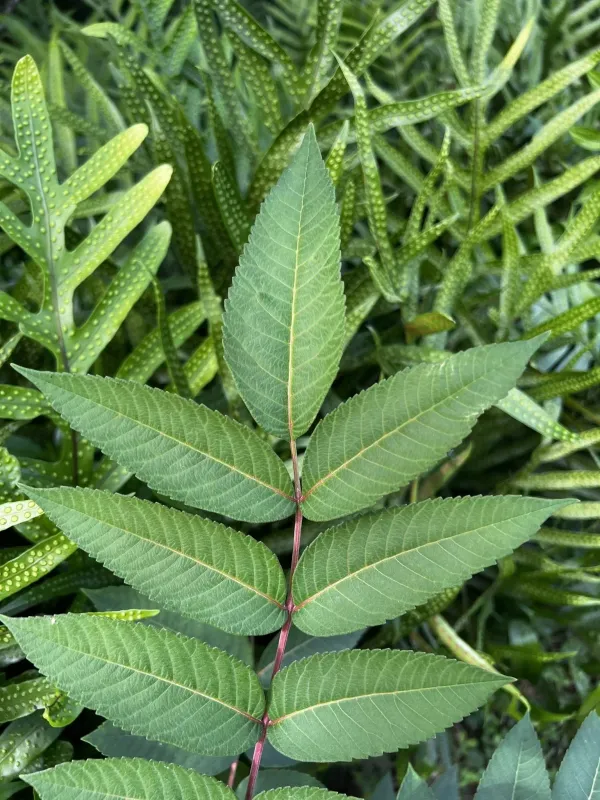
Hawaiian sumac (Rhus sandwicensis) is a unique woody plant belonging to the Anacardiaceae family, native exclusively to the Hawaiian Islands. As an endemic species, it exhibits specific growth patterns adapted to the unique volcanic soils and tropical climate of its origin.
The culture thrives in well-draining, nutrient-rich soils with a neutral pH. It requires consistent tropical temperatures and a balance of moisture, making it sensitive to both prolonged drought and excessive waterlogging, which can lead to root degradation.
Cultivation requires full sun exposure to maintain healthy foliage and robust branch structure. It is essential to protect young trees from strong trade winds, as they can cause physical damage and strip the foliage, affecting the photosynthetic capacity of the plant.
Agricultural practices for Rhus sandwicensis focus on maintaining a stable rhizosphere environment. Mulching is highly recommended to regulate soil temperature and moisture levels, mimicking the natural conditions of the forest floor.
Economically, while its timber has historical significance in traditional Hawaiian crafts, modern focus is primarily on conservation and botanical research. It is considered an important species for preserving local biodiversity and understanding the ecological succession in Hawaiian forests.
Main diseases and pests
Fungal pathogens represent the most significant threat to Hawaiian sumac, particularly those that thrive in humid environments. Ensuring proper spacing and airflow between trees is a critical management strategy to minimize the risk of infection.
Insect pests, specifically scale insects and aphids, often target the tender shoots. Early detection is vital for controlling outbreaks before they affect the overall health of the tree or lead to secondary viral infections.
The introduction of invasive species in Hawaii poses a continuous threat to the survival of the native sumac. In managed areas, rigorous weeding and perimeter control are necessary to prevent invasive plants from outcompeting the sumac for resources.
Physical damage caused by pruning or wildlife can create entry points for pathogens. All arboricultural maintenance should be performed with sterile tools, and wounds should be treated if the local environment is conducive to rot.
Nutrient deficiencies or improper soil chemistry can also weaken the tree, making it more susceptible to environmental stress. Regular soil analysis is recommended for successful cultivation in non-native or degraded environments.