
Burdekin plum
Pleiogynium cerasiferum
Description
Growing requirements
The Burdekin plum (Pleiogynium cerasiferum) is a significant tropical tree species belonging to the Anacardiaceae family. It is native to the tropical and subtropical regions of Australia, primarily found in rainforest margins and coastal woodlands.
The species thrives in warm, frost-free climates and is adaptable to various soil types, ranging from sandy soils to heavier loams. Successful cultivation requires excellent drainage to prevent root rot, especially during periods of heavy seasonal rainfall.
Botanically, it is a medium-to-large evergreen tree that can reach considerable height. It features compound pinnate leaves that provide dense shade, making it a valuable species for both orchards and ornamental agroforestry landscapes.
For optimal growth, the tree requires full sun exposure to support vigorous canopy development and fruit production. While young trees are sensitive to drought and require consistent moisture, mature specimens develop a degree of drought tolerance.
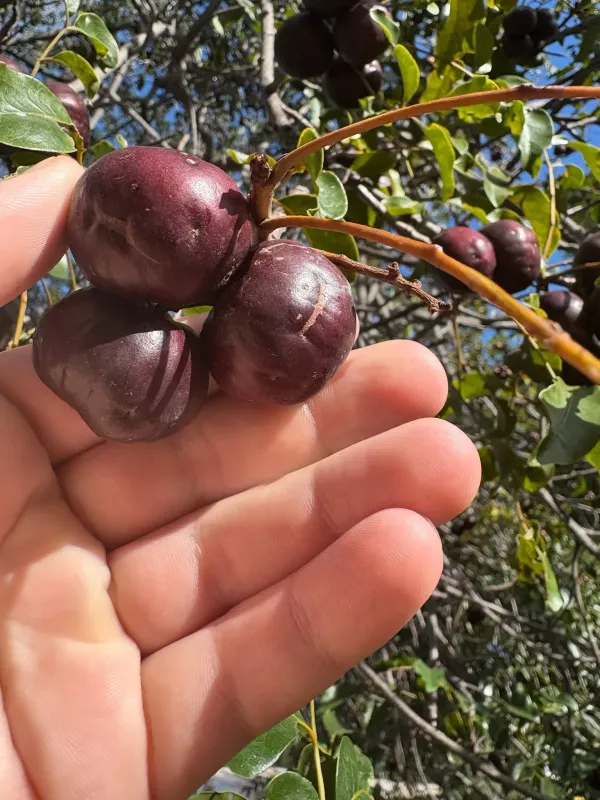
The fruit is a globular, dark-colored drupe that resembles a cherry in size. It is a traditional food source, appreciated for its unique flavor profile, and is widely used in culinary applications, including the production of preserves, jams, and traditional sauces.
Main diseases and pests
Common agricultural threats include infestations by scale insects and aphids that affect tree vigor. Furthermore, moisture-related fungal pathogens can impact the quality of the fruit, requiring proper canopy management to ensure air circulation.
Harvesting
Harvesting is performed manually as the fruits mature and change color to a dark purple or black shade. Post-harvest, the fruit is often processed quickly due to its high acidity and perishability, which are key factors in its commercial utility.