
Mauria
Mauria
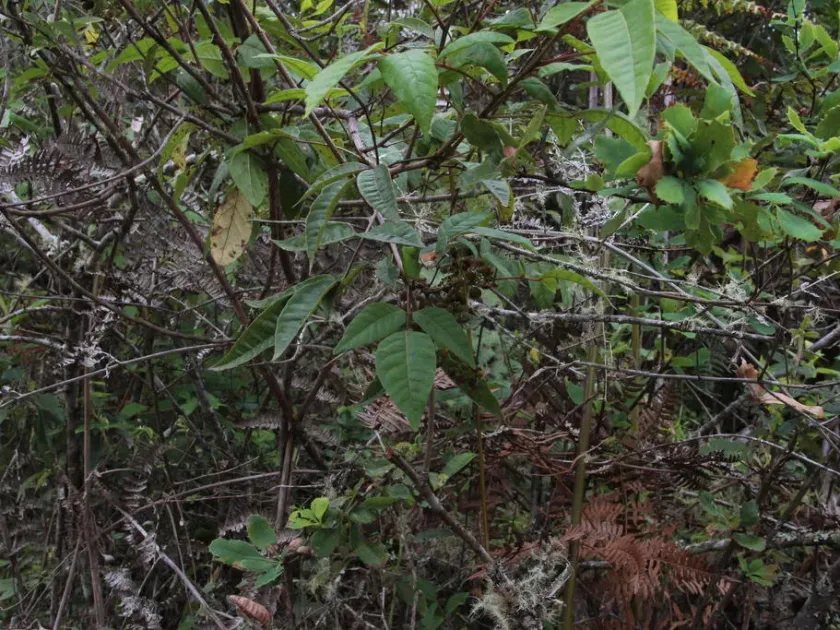
Description
Growing requirements
Mauria is a genus of evergreen trees and shrubs belonging to the Anacardiaceae family. These plants are native to the tropical and subtropical regions of the Americas, thriving in diverse forest habitats.
Successful cultivation of Mauria requires a stable, warm climate with no exposure to freezing temperatures. They prefer locations with high sunlight exposure, although young specimens benefit from filtered light during their initial development stages.
The soil for Mauria must be well-drained and nutrient-rich to ensure healthy root development. Waterlogging is the primary cause of plant failure, making proper soil preparation and drainage systems essential for agricultural success.
Nutrient management involves regular applications of organic matter and balanced mineral fertilizers during the active growing season. This helps maintain vigor and promotes the production of flowers and subsequent fruit.
Agrotechnical practices include consistent irrigation, especially during dry spells, ensuring the moisture levels remain stable without saturating the substrate. Periodic pruning is also beneficial for maintaining tree shape and overall health.
Harvesting
The primary economic focus for Mauria species involves the harvesting of their fruits. The fruits are typically consumed locally, prized for their unique organoleptic properties and nutritional value.
Harvesting is conducted manually when the fruits reach physiological maturity. Indicators of ripeness include skin color changes and the development of specific aromatic profiles characteristic of the variety.
Post-harvest management involves careful handling to prevent mechanical damage. Fruits are delicate and should be stored in cool, ventilated conditions to maximize their limited shelf life before reaching local markets.
- Avoid stacking fruits to prevent bruising.
- Use breathable packaging for transport.
- Monitor for rapid spoilage in high-humidity storage.
Agricultural research continues to explore the potential of Mauria as a sustainable crop, focusing on yield optimization and the reduction of post-harvest losses to increase profitability for farmers.