
Nothopegia beddomei
Nothopegia beddomei
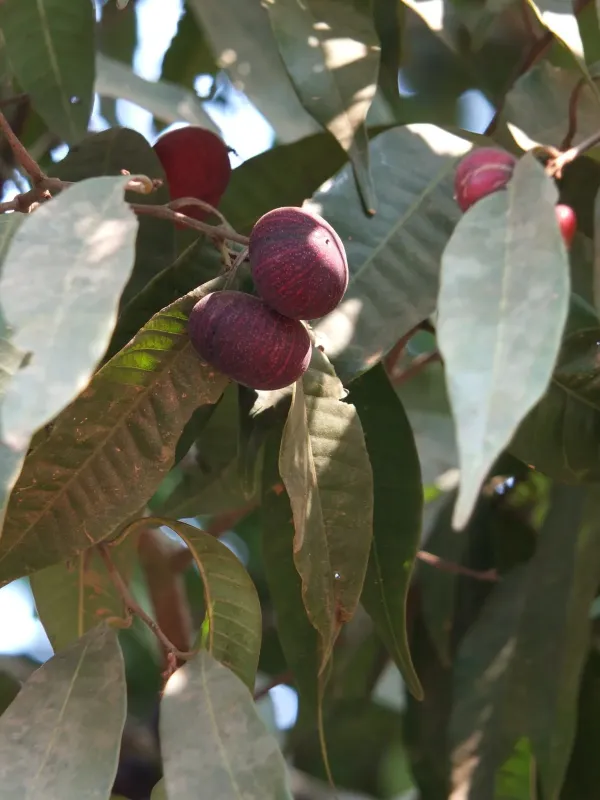
Description
Growing requirements
Nothopegia beddomei is a tree species belonging to the family Anacardiaceae. It is an endemic plant native to the high-altitude forests of the Western Ghats in India, thriving in environments characterized by high humidity and consistent tropical climate conditions.
The plant demonstrates a preference for shaded or semi-shaded areas, typical of the understory in dense forest ecosystems. It requires fertile, well-draining soil rich in organic matter to support its long-term growth and structural integrity within agricultural or botanical landscapes.
Temperature management is crucial, as the species is sensitive to both extreme heat and cold. Stable temperatures, typical of its native range, are necessary to ensure the physiological processes of the tree, such as transpiration and photosynthesis, function at optimal levels.
Agricultural techniques involve mimicking natural forest conditions. This includes maintaining moisture levels in the root zone without creating waterlogged conditions, which can lead to rapid root degradation in this particular species.
From a botanical standpoint, the tree features dense, evergreen foliage that acts as a survival mechanism against fluctuations in environmental moisture. The species is highly valued for its contribution to biodiversity and its specific ecological role in maintaining forest health within its limited range.
Main diseases and pests
The primary threats to Nothopegia beddomei stem from habitat loss due to land-use changes and deforestation. Since it is an endemic species, fragmentation of its native habitat significantly increases the risk of local extinction and limits genetic diversity.
In managed conditions, the tree may be susceptible to tropical pests such as scale insects and various leaf-eating beetles. If not monitored, these pests can cause significant damage to the foliage, reducing the plant's overall vitality and growth rate.
Pathogenic fungi pose a persistent threat, particularly in regions with high humidity levels and poor air circulation. Root rot and fungal leaf spot are common issues that require strict adherence to drainage protocols and prophylactic care.
Competition from invasive plant species can hinder the development of young Nothopegia beddomei plants. Effective weed management and clearing surrounding vegetation are essential to ensure the young trees receive enough nutrients and sunlight.
Lastly, climate change and alterations in seasonal rainfall patterns present a major challenge. The species' dependence on specific moisture cycles makes it vulnerable to extended droughts, necessitating the implementation of supplemental irrigation systems in cultivated areas.