
Myracrodruon urundeuva
Myracrodruon urundeuva
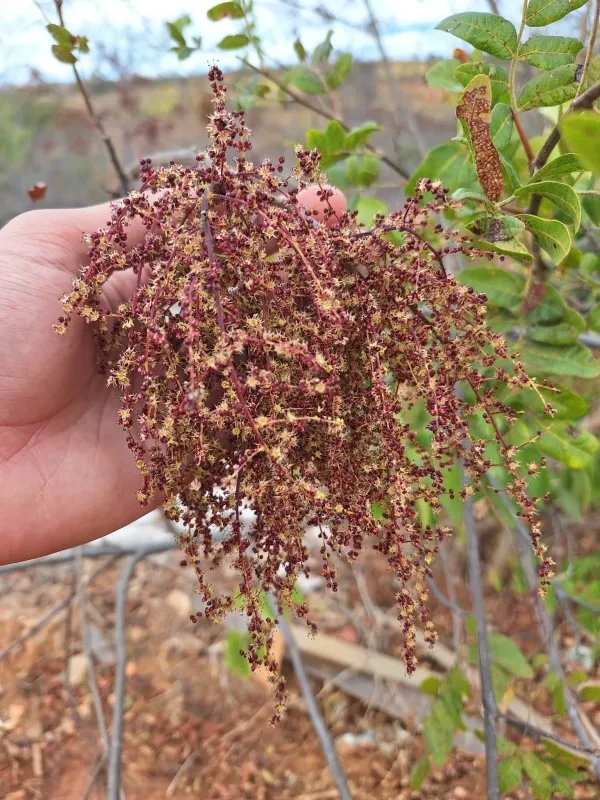
Description
Growing requirements
Myracrodruon urundeuva, commonly known as urundeuva or aroeira-do-sertão, belongs to the Anacardiaceae family. It is a highly significant tree species native to the seasonally dry tropical forests of South America, primarily in Brazil, Paraguay, and Argentina.
The cultivation of this species requires regions with distinct dry and wet seasons. It is remarkably drought-tolerant, making it an excellent candidate for reforestation projects in arid environments where other species fail to establish themselves.
Regarding soil requirements, the tree prefers well-drained soils ranging from sandy to clay-textured substrates. It thrives in soils with good aeration; however, it is highly sensitive to waterlogging, which can lead to rapid root decay and stunted development.
Botanically, it is a deciduous tree that produces dense, high-quality wood. The leaves are compound and provide significant cover, which aids in soil moisture retention around the base of the tree. The tree's capacity to fix carbon and its slow, steady growth rate make it an important species for long-term ecological balance.
Economically, the species is harvested for its extremely durable and rot-resistant timber, often used in heavy construction and fencing. Beyond timber, the bark is a rich source of natural tannins utilized in the leather industry and has various applications in traditional medicinal practices.
Main diseases and pests
Pest management for Myracrodruon urundeuva primarily focuses on controlling wood-boring beetles that target stressed or weakened trees. Proper site selection and avoiding physical damage to the trunk during maintenance are key preventive measures.
Pathogen risks include various fungal leaf spots in humid conditions and root diseases associated with improper soil drainage. Ensuring adequate space between individual trees to promote airflow is essential for minimizing the occurrence of such infections.