
Myracrodruon balansae
Myracrodruon balansae
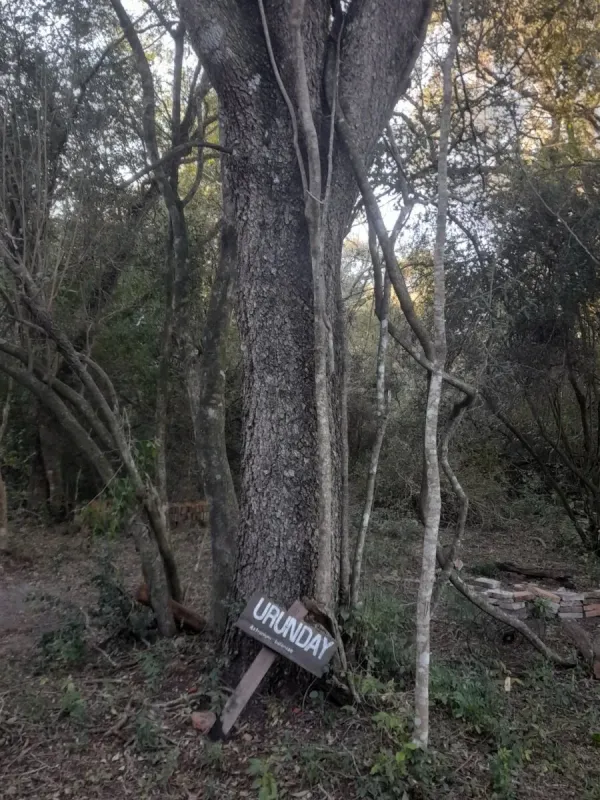
Description
Growing requirements
Myracrodruon balansae, commonly known as Urunday, is a prominent tree species belonging to the Anacardiaceae family. Native to South America, particularly the Gran Chaco region, it is highly valued for its exceptional timber quality and ecological resilience.
The species thrives in subtropical climates characterized by distinct wet and dry seasons. It requires well-drained soils that offer sufficient depth for root penetration, enabling the tree to withstand prolonged periods of drought, which is a hallmark of its natural habitat.
Botanically, this species is noted for its high wood density and resistance to decay and termites. It grows as a deciduous tree, developing a robust canopy that provides essential shade and contributes significantly to the biodiversity of its native forest ecosystems.
Agricultural management for Myracrodruon balansae focuses on ensuring optimal spacing during the plantation phase. Proper thinning and weed management during the first few years of growth are crucial to ensure that young saplings develop a straight, healthy trunk without competition.
The primary economic use of this species is in the timber industry. Its wood is categorized as extremely durable, making it highly sought after for structural applications including fence posts, railway sleepers, heavy construction, and high-quality exterior decking and flooring.
Main diseases and pests
The primary threats to Myracrodruon balansae include infestation by wood-boring insects, which can compromise the integrity of the timber if the trees are stressed by environmental conditions. Additionally, improper soil drainage during the rainy season can lead to root pathogens.