
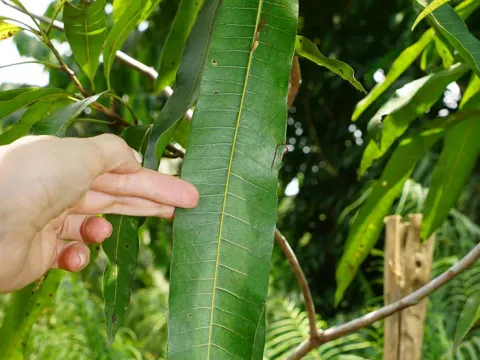
Mangifera gedebi
Mangifera gedebi
Mangifera gedebi is a distinct species within the Anacardiaceae family, sharing botanical traits with other notable members of the genus Mangifera. As an evergreen tropical tree, it thrives in high-humidity environments where stable temperatures persist throughout the entire calendar year.
What the section contains
Mangifera gedebi
Native to the humid tropical forests of Southeast Asia, this species requires a warm climate with an optimal temperature range of 22°C to 32°C. Exposure to sudden cold spells or frost is detrimental, often resulting in physiological stress that can hinder fruit development and tree longevity.
Soil requirements for Mangifera gedebi emphasize the need for excellent drainage. The tree grows best in deep, fertile, loamy soils that allow for deep root penetration. It is sensitive to waterlogging, which often induces root rot pathogens, necessitating careful site selection and soil preparation before planting.
Adequate water supply is essential during the vegetative growth phase. Consistent moisture levels, combined with high atmospheric humidity, mimic the natural habitat conditions of the tree. However, maintaining a balance is key to preventing moisture-related fungal outbreaks on the foliage.
Full sun exposure is preferred for maximum growth and biomass production. While young saplings may benefit from partial shade to protect them from excessive evaporation, mature trees require significant light intensity to successfully produce high-quality yields and maintain a healthy structural canopy.
Fungal infections, particularly anthracnose, represent the primary threat to the health of Mangifera gedebi. These pathogens target the leaf tissue and fruit surfaces, especially during prolonged rainy seasons. Managing canopy density through regular pruning is a critical cultural practice to mitigate these risks.
Insects such as mealybugs and various species of fruit flies pose significant economic risks to growers. Fruit flies, in particular, can devastate a harvest if not monitored properly. Integrated pest management, including the use of sticky traps and pheromone dispensers, is highly recommended.
Pest control also involves monitoring for sap-sucking insects like aphids and scale insects. These pests not only weaken the plant by extracting essential fluids but also facilitate the growth of sooty mold, which impairs photosynthesis and reduces the overall vigor of the tree.
Early detection of symptoms is paramount in managing these threats. Growers should implement regular field scouting to identify potential infestations or disease outbreaks at the initial stages, allowing for precise and effective treatment without unnecessary chemical application.
- Systemic pruning for air circulation
- Regular field monitoring for pests
- Application of bio-based fungicides
- Soil nutrient balancing for plant immunity