
Mangifera lalijiwa
Mangifera lalijiwa
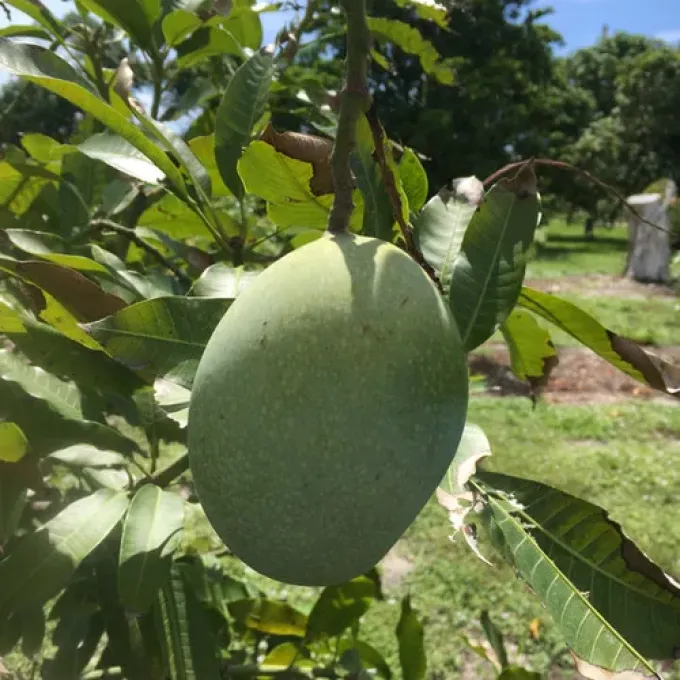
Description
Growing requirements
Mangifera lalijiwa belongs to the Anacardiaceae family and is recognized as a distinctive tropical fruit tree primarily native to Java, Indonesia.
The plant thrives in tropical climates characterized by high temperatures and consistent rainfall, requiring a frost-free environment throughout the entire year.
For optimal growth, it requires deep, well-draining soils with a neutral pH, as the root system is highly sensitive to waterlogging and soil compaction.
Agronomic management involves regular pruning to ensure proper sunlight penetration and airflow within the canopy, which is essential for healthy development.
Fertilization schedules must prioritize organic matter to improve soil structure and nutrient availability, supporting the tree's vigorous vegetative growth.
Yield
The yield of Mangifera lalijiwa is seasonal, heavily influenced by local microclimatic conditions and the age of the specimen within the orchard.
Fruits are highly valued for their unique flavor profile, making them a sought-after specialty in local Indonesian markets for fresh consumption.
Processing uses include traditional fruit-based desserts and beverages, which highlight the regional culinary importance of this rare Mangifera species.
Strategic harvesting practices are necessary to maintain fruit quality, as the produce is delicate and susceptible to bruising during transportation.
Proper management of the tree's nutrient uptake is vital for achieving consistent annual production and ensuring fruit of superior size and quality.
Main diseases and pests
Primary threats to this crop include fungal infections like anthracnose, which are prevalent in high-humidity environments and can damage both foliage and fruit.
Pests such as fruit flies represent a significant economic challenge, often requiring the use of protective netting or integrated pest management strategies.
Sanitation practices, such as the removal of infected branches and fallen debris, are critical in mitigating the spread of pathogens across the orchard.
Air circulation management is a key cultural control method used to discourage the onset of molds and bacterial spots on the fruit surface.
Ongoing monitoring by agronomists is required to detect pest infestations early, ensuring that biological control measures can be deployed effectively.