
Mangifera leschenaultii
Mangifera leschenaultii
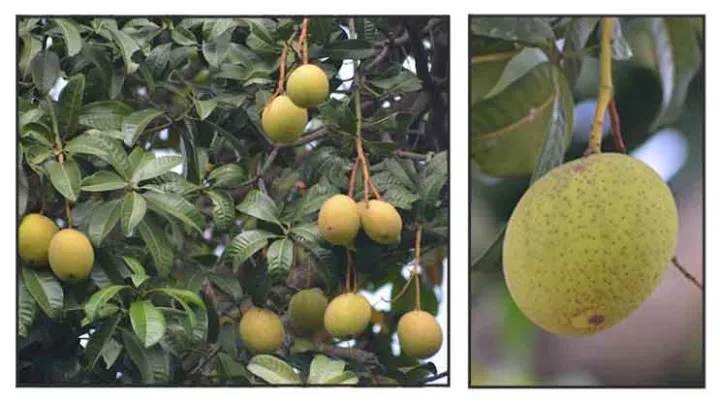
Description
Growing requirements
Mangifera leschenaultii belongs to the Anacardiaceae family, sharing taxonomic characteristics with the commercially famous mango tree. It is a robust evergreen tree that grows in tropical climates, typically found in native forests across Southeast Asia.
This species thrives in high humidity and warm temperatures, generally requiring a stable environment between 22°C and 30°C. It is not frost-tolerant and requires protection from extreme cold to maintain its physiological processes.
The soil requirements involve well-draining, nutrient-rich substrates. The tree does not tolerate waterlogging, which often leads to root rot and other systemic fungal issues, making proper site selection critical for cultivation.
Young trees require filtered sunlight or partial shade to protect tender leaves from scorching, while mature specimens favor full sun exposure to support vigorous vegetative growth and flowering.
While often found in the wild, its agricultural utility includes producing edible fruit for local consumption and utilizing the wood for structural purposes, marking it as a plant with potential in sustainable agroforestry.
Main diseases and pests
The primary threats to Mangifera leschenaultii include fungal infections such as anthracnose, which thrives in the high-humidity environment of the tropics and can damage both foliage and developing fruit.
Insect pests, including various species of fruit flies, significantly impact the quality of the harvest by laying eggs inside the fruit, causing rot and premature dropping.
Scale insects and mealybugs often cluster on the undersides of leaves or along succulent stems, extracting sap and weakening the tree's overall vigor.
To mitigate these threats, arborists recommend regular pruning to improve canopy airflow, which reduces the moisture trapped near the leaves and suppresses fungal growth.
Integrated pest management strategies are often employed to monitor the tree's health, ensuring that necessary interventions are timely and minimize impact on the local ecosystem.