
Mangifera altissima
Mangifera altissima
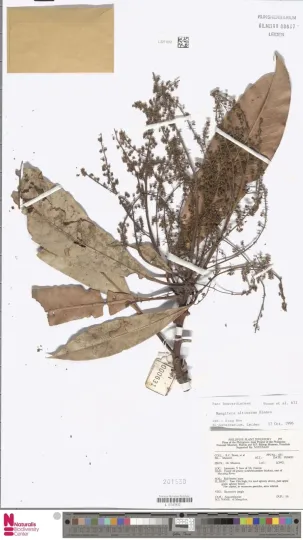
Description
Growing requirements
Mangifera altissima, commonly known as paho, is a majestic tropical tree belonging to the Anacardiaceae family. It is a large, evergreen species recognized for its towering height and dense, robust structure, characteristic of tropical rainforest environments.
The tree is native to the Philippines, thriving primarily in low-altitude primary and secondary forests. It is highly adapted to tropical climates where consistent high temperatures and significant humidity are observed throughout the entire year.
Regarding soil requirements, this species favors deep, well-draining loamy or clay-rich soils. While it can survive in various tropical soil types, it is particularly sensitive to waterlogging, which necessitates careful site selection to ensure the health of its root system.
In silvicultural practices, light management is crucial during the early stages of development. Seedlings require partial shade to establish, while as the tree matures, it demands full exposure to direct sunlight to facilitate rapid growth and proper crown development.
The climate must be strictly tropical; the tree lacks significant cold tolerance and requires protection from extreme weather conditions, such as strong gale-force winds that can break branches or topple trees in exposed plantation areas.
Yield
The primary economic value of Mangifera altissima lies in its high-quality timber. It is widely regarded for its strength and aesthetic appeal, making it a preferred material for high-end furniture manufacturing, interior flooring, and architectural woodworking.
Wood from this species is known for its durability and resistance to various forms of wear and tear. These qualities make it an excellent choice for long-lasting construction materials, providing a sustainable alternative to slower-growing or threatened timber species.
Beyond its timber value, the tree produces edible fruits that are appreciated by local communities. Although they are not as commercially widespread as the common mango (Mangifera indica), their distinct flavor profiles offer a valuable food resource for local inhabitants.
The species serves a critical function in reforestation efforts and forest restoration projects in its native range. Due to its natural rate of growth and structural integrity, it is highly valued as a candidate for expanding forest cover and rehabilitating degraded landscapes.
To maximize the yield of timber, commercial foresters focus on plantation management strategies. By optimizing spacing and implementing thinning operations over several decades, foresters can ensure the production of clear, straight-grained logs suitable for high-value applications.
Main diseases and pests
The health of Mangifera altissima stands can be compromised by various biological threats, particularly insect pests that attack foliage and bark. Leaf-chewing insects are a common concern for young nurseries, potentially stunting growth if left unmanaged.
Anthracnose, caused by fungi in the genus Colletotrichum, represents one of the most significant disease challenges. It causes necrotic spotting on leaves and blossoms, which can drastically reduce reproductive success and weaken the overall vitality of the tree.
Root system health is frequently endangered by pathogenic soil-borne fungi, especially in areas with poor drainage or excessive soil moisture. Such conditions often lead to root rot, which, if not addressed through site modification, can prove fatal to the tree.
Integrated pest management (IPM) is highly recommended to maintain healthy plantations. This approach involves regular surveillance of tree health, sanitation pruning to remove infected branches, and the selective use of biological controls to keep pest populations at bay.
Proactive management of plantation density and soil aeration is essential for mitigating disease risk. By fostering a healthy environment and encouraging biological diversity within the plantation, forest managers can reduce the likelihood of major pest and disease outbreaks.