
Mangifera caloneura
Mangifera caloneura
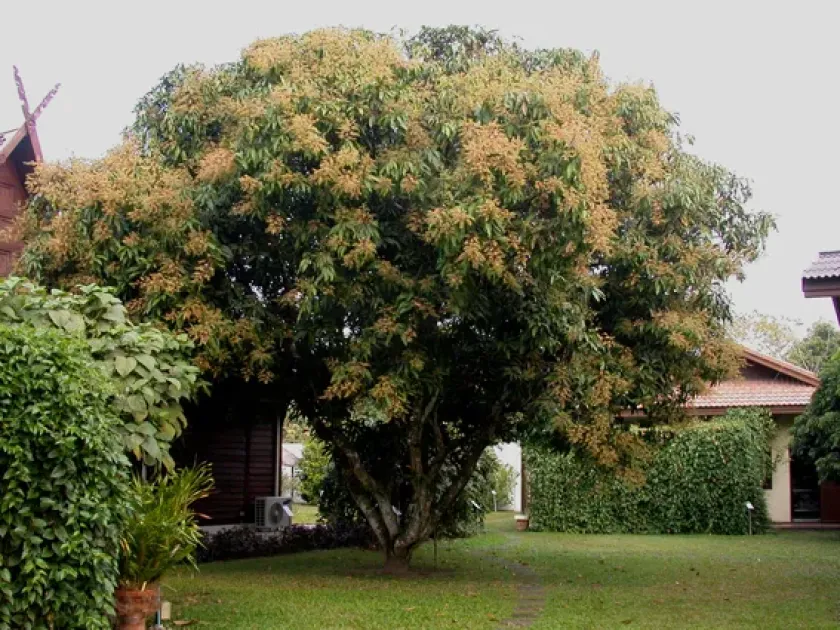
Description
Growing requirements
Mangifera caloneura is a tropical tree species belonging to the Anacardiaceae family. It is a botanical relative of the common mango, native to the diverse forest regions of Southeast Asia, including countries like Myanmar, Thailand, and Vietnam.
The plant thrives in tropical climates characterized by warm temperatures throughout the year. It requires a distinct dry season to stimulate flowering, which is essential for successful fruit set and high-quality yield during the harvest period.
Soil requirements for this culture are specific: it demands well-drained, deep, and fertile soils. Loamy or alluvial soil compositions provide the best conditions for the root system, as waterlogging can cause fatal root rot and fungal proliferation.
The tree exhibits classic characteristics of the Mangifera genus, including evergreen, leathery leaves and terminal panicles of small, fragrant flowers. It serves both ecological roles in biodiversity and economic roles for local communities.
Economically, the fruits are harvested for local consumption, valued for their distinctive flavor profile. Additionally, the wood is utilized in traditional construction and local craft, showcasing the multipurpose nature of the species.
Main diseases and pests
Fruit flies represent the primary agricultural threat to this crop. Their larvae burrow into developing fruits, causing significant yield losses and reducing the marketability of the harvest if not managed properly.
Anthracnose is the most prevalent fungal disease affecting Mangifera caloneura. High humidity levels during the flowering stage promote the spread of fungal spores, which can lead to flower blights and leaf spots.
Powdery mildew is another major concern, especially during transitional weather conditions. It stunts the growth of young shoots and leaves, necessitating a proactive management approach using agricultural fungicides.
Sucking insects, including aphids and mealybugs, are frequent pests in tropical orchards. These pests target succulent new growth and can weaken the tree if large populations are allowed to develop unchecked.
Integrated Pest Management (IPM) practices, such as clearing debris from the orchard floor and utilizing biological control agents, are highly recommended to sustain the productivity of the trees over the long term.