
Mangifera minor
Mangifera minor
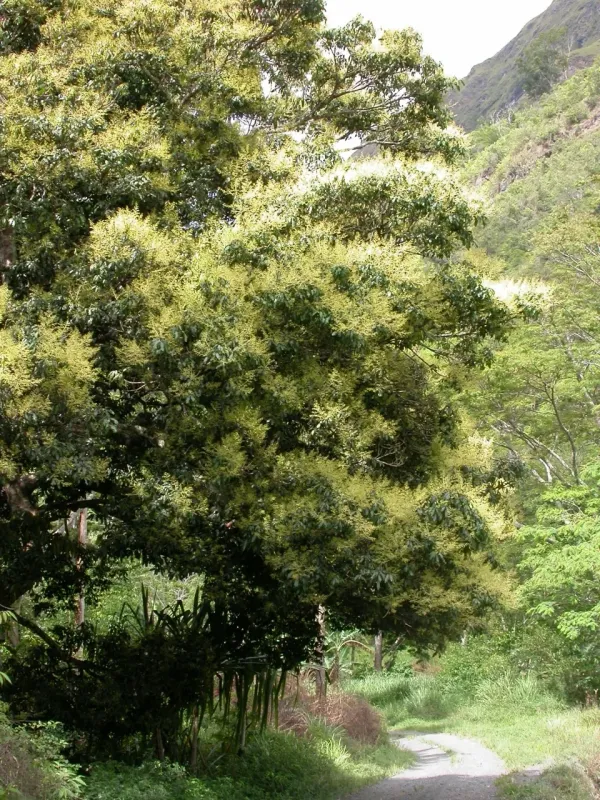
Description
Growing requirements
Mangifera minor, belonging to the Anacardiaceae family, is a tropical fruit tree native to Southeast Asia and parts of the Pacific Islands. It is closely related to the common mango (Mangifera indica) and is well-adapted to warm, humid tropical conditions.
The tree thrives in environments where temperatures remain consistently between 24 and 30 degrees Celsius. It is highly sensitive to frost, which can cause severe damage or death to young saplings, making it suitable only for frost-free tropical and subtropical zones.
Regarding soil requirements, the plant prefers deep, well-draining loamy or alluvial soils. It cannot tolerate waterlogged conditions, as poor drainage often leads to root rot and other fungal diseases, which are the primary threats to its longevity.
Botanically, it is an evergreen tree characterized by a dense canopy and leathery, lanceolate leaves. These features are evolutionary adaptations designed to minimize water loss while maximizing photosynthetic efficiency under intense tropical sunlight.
Successful cultivation requires wind protection and adequate space for canopy development. Regular nutrient management, focusing on balanced NPK ratios, is essential, particularly during the flowering and fruit-setting stages to ensure high yields.
Yield
The economic value of Mangifera minor is derived primarily from its edible fruits. While smaller than commercial mango varieties, these fruits are highly valued locally for their distinct flavor profile and sweet, juicy flesh.
In terms of productivity, the trees typically begin to bear fruit between 5 to 7 years after planting. As the tree matures, the harvest volume increases, provided the orchard management practices are consistent and health is maintained.
The fruit is used in fresh consumption, but it is also widely processed into juices, jellies, and other preserves. This processing capability is crucial for farmers in regions where fresh market demand fluctuates throughout the harvest season.
The timber of the tree is occasionally harvested for carpentry or local construction, especially from older trees that have outlived their peak fruit-bearing years. This provides an additional secondary revenue stream for agricultural enterprises.
Ongoing agricultural research aims to identify superior cultivars with higher fiber content resistance and better shelf-life, which are critical traits for integrating the fruit into wider regional markets.
Main diseases and pests
Common diseases affecting Mangifera minor include anthracnose and powdery mildew, which thrive during the high-humidity periods of the tropical wet season. Fungicidal applications are recommended as a preventive measure during the blossoming stage.
Fruit flies represent a significant threat to yields, as they lay eggs within the developing fruit. The most effective management strategy involves using pheromone traps and biological controls to keep pest populations below the economic damage threshold.
Scale insects and aphids can also infest young shoots and leaves, hindering the overall vigor of the tree. Regular monitoring and spot treatments with horticultural oils or insecticidal soaps can manage these populations without excessive chemical use.
Improper irrigation management during dry spells may lead to physiological stress, manifesting as premature fruit drop. Maintaining a stable moisture regime is vital for consistent production and tree health.
Good orchard sanitation practices, such as the removal of fallen leaves and decaying fruit, help break the life cycle of various pests and pathogens, ultimately reducing the need for aggressive chemical interventions.
Harvesting
Harvesting is typically done manually to preserve fruit quality. Timing is critical, as fruits must be picked when they reach technical maturity, indicated by specific color changes in the skin or changes in fruit firmness.
Care must be taken during the harvesting process to prevent mechanical damage. Fruits are delicate; bruises caused by mishandling can lead to rapid post-harvest decay, significantly reducing marketability and value.
After picking, the fruit is graded based on size and physical condition. Premium produce is packed in well-ventilated containers, while fruit with surface imperfections is diverted to processing facilities for value-added products.
Post-harvest logistics are a challenge due to the relatively short shelf life of the fruit. Cold chain management is ideal for extending the time between harvest and final sale, though it may not always be available in remote tropical regions.
By effectively managing the harvest cycle and minimizing post-harvest losses through proper sorting and packaging, farmers can significantly improve the profitability of their Mangifera minor orchards.