
Mangifera pajang
Mangifera pajang
Description
Growing requirements
Mangifera pajang, commonly known as bambangan, is a large tropical fruit tree belonging to the Anacardiaceae family. It is native to the lowland rainforests of Borneo and is a relative of the common mango.
This species thrives in a strictly tropical climate with high humidity and abundant annual rainfall. It does not tolerate frost or cold temperatures, making it unsuitable for cultivation in temperate zones.
The tree prefers deep, fertile, and well-drained soils. It is often found in riverine areas or on flat terrain where the soil structure allows for deep root development without the risk of waterlogging.
In a farm setting, Mangifera pajang requires significant space due to its massive canopy. It should be planted in open areas with full sun exposure, although saplings may benefit from light shade in early development.
Agricultural techniques often focus on managing soil moisture and ensuring proper mineral nutrition. The tree is considered a traditional crop that is gradually being integrated into modern agroforestry systems.
Yield
The yield of Mangifera pajang trees is substantial once the plant reaches maturity. A healthy, fully developed tree can produce hundreds of fruits in a single harvest season.
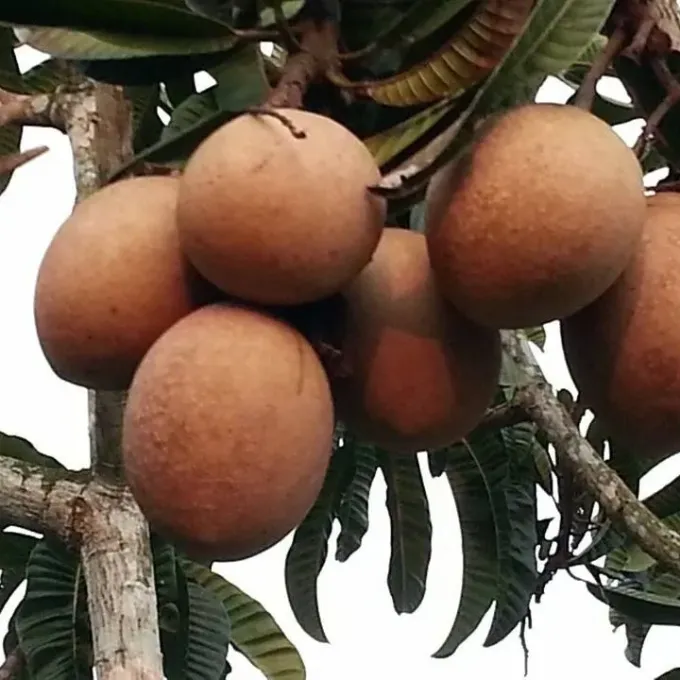
The fruit is distinguished by its thick, brown, hairy skin and strongly aromatic, fibrous flesh. The flavor is intense and acidic, making it a culinary staple in local cuisine for pickles and curries.
Harvesting typically occurs when the fruit reaches its full size and the rind begins to yield slightly to pressure. Due to the rapid ripening process, post-harvest handling must be quick to maintain quality.
While primarily consumed locally, the fruit has potential for further commercial processing. The yield patterns are often seasonal, tied closely to the specific flowering conditions of the tropical forest.
Future agricultural improvements aim to standardize fruit quality and increase yield consistency through selective breeding and better orchard management practices.
Main diseases and pests
The primary threats to Mangifera pajang cultivation involve pests that attack the fruit during its development stages. Fruit flies are particularly destructive and require management through traps or covering.
Fungal diseases, including anthracnose and fruit rot, pose significant risks during the wet season. These pathogens can destroy a large portion of the harvest if sanitation measures are ignored.
Leaf blight and other bacterial infections may also affect the foliage, reducing the photosynthetic capacity of the tree. Keeping the canopy pruned for air circulation helps mitigate these problems.
Borer insects present a hidden danger by penetrating the woody parts of the trunk. Regular monitoring is necessary to detect early symptoms of infestation before the tree sustains permanent structural damage.
Sustainable pest management, including the use of beneficial insects and biological controls, is highly recommended to protect the crop without damaging the fragile tropical ecosystem.