
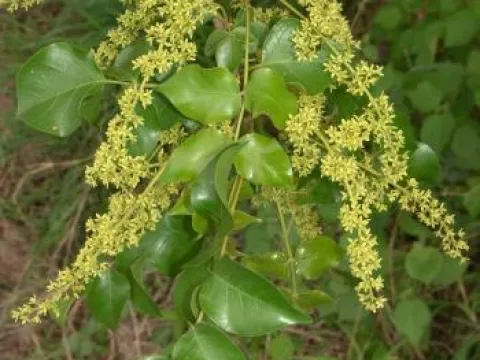
Lannea
Lannea
Lannea is a genus of flowering plants belonging to the Anacardiaceae family, which is known for including commercially significant species like mango and cashew. These plants are primarily deciduous trees or shrubs distributed across the tropical and subtropical regions of Africa and Asia.
What the section contains
 Lannea acida
Lannea acida
Lannea acida
 Lannea barteri
Lannea barteri
Lannea barteri
 Lannea coromandelica
Lannea fruticosa
Lannea fruticosa
Lannea humilis
Lannea humilis
Lannea coromandelica
Lannea coromandelica
Lannea fruticosa
Lannea fruticosa
Lannea humilis
Lannea humilis
 Lannea microcarpa
Lannea nigritana
Lannea nigritana
Lannea microcarpa
Lannea microcarpa
Lannea nigritana
Lannea nigritana
 Lannea schimperi
Lannea schimperi
Lannea schimperi
 Lannea schweinfurthii
Lannea schweinfurthii
Lannea schweinfurthii
 Lannea triphylla
Lannea triphylla
Lannea triphylla
 Lannea velutina
Lannea welwitschii
Lannea welwitschii
Lannea velutina
Lannea velutina
Lannea welwitschii
Lannea welwitschii
Lannea
The genus is well-adapted to environments featuring distinct wet and dry seasons, such as savannas and deciduous woodlands. Lannea species demonstrate significant drought tolerance, allowing them to thrive in areas with limited annual rainfall where other species might struggle.
Optimal growth requires well-drained soils, as the root systems are susceptible to rot in waterlogged or heavy clay conditions. These plants perform best in neutral to slightly acidic soils with sufficient depth to support their development as perennial woody plants.
Botanically, Lannea is characterized by imparipinnate leaves and small, often dioecious flowers arranged in racemes or panicles. Their fruit, typically a small drupe, plays an ecological role by providing a food source for diverse wildlife, thereby facilitating seed dispersal.
Economic importance of the genus revolves around the extraction of gum from the bark. This exudate serves various purposes in traditional medicine, food stabilization, and artisanal industries due to its natural binding properties and antimicrobial characteristics.
Lannea trees are generally hardy but can be susceptible to specific pests, particularly wood-boring beetles that target stressed or injured trunks. Maintaining healthy growth conditions is the primary preventive measure against such infestations.
Fungal diseases related to root rot represent a significant threat, especially in nurseries or regions with poor drainage. Proper site selection and avoiding excessive soil moisture are critical management practices for preventing these pathogens.
Leaf-eating insects, including various lepidopteran larvae, can cause defoliation in young saplings, potentially slowing their growth. In intensive cultivation, integrated pest management strategies are applied to mitigate these risks without harming the ecosystem.
Environmental stressors such as unseasonal frosts or prolonged flooding can weaken the plants, making them more vulnerable to secondary infections. Monitoring the physiological state of the plants during extreme weather transitions is essential for disease control.
- Monitor for signs of bark discoloration.
- Avoid physical damage to the trunk during cultivation.
- Ensure adequate spacing to promote airflow.
- Implement proper drainage in high-clay areas.
- Regular inspection for boring insect activity.
The harvesting of Lannea gum is performed by making controlled incisions in the bark during the post-rainy season. This traditional method requires skill to ensure the tree's health remains intact, allowing for sustainable long-term exudate production.
Bark collection for medicinal or tannin extraction is usually done in cycles to allow for the natural regeneration of the bark tissue. It is critical to harvest only small sections to avoid girdling the tree, which could prove fatal to the plant.
Fruit harvesting for consumption is typically a seasonal activity conducted by local communities. Fruits are collected once they reach full maturity, indicated by changes in color and softening of the outer skin, and are consumed fresh or processed locally.
When harvesting wood for traditional tools or minor construction, priority is given to pruning old or unproductive branches. This practice serves both the needs of the community and the health of the tree by removing senescent plant parts.
Post-harvest handling involves drying the gum and bark in well-ventilated areas away from direct sunlight to prevent degradation. Proper storage in moisture-proof containers is necessary to maintain the chemical integrity and shelf-life of the raw materials.