
Lannea schweinfurthii
Lannea schweinfurthii
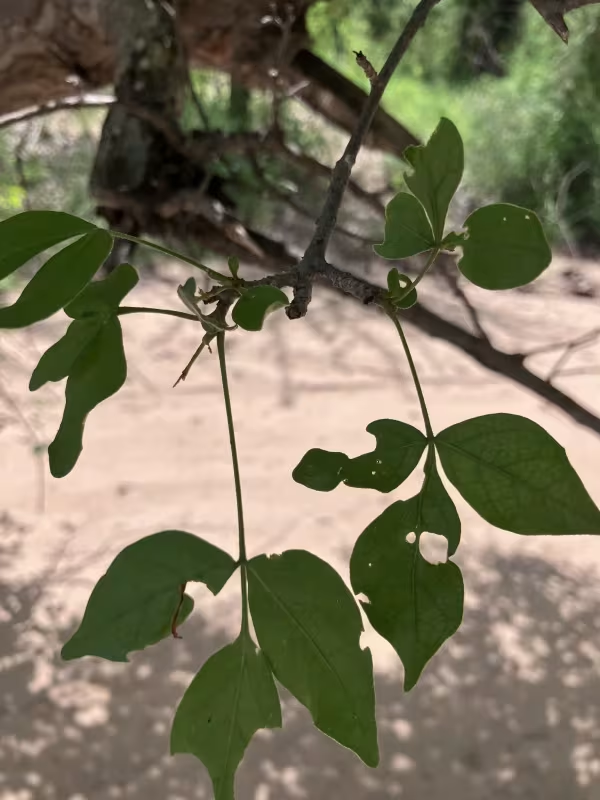
Description
Growing requirements
Lannea schweinfurthii is a deciduous tree belonging to the Anacardiaceae family, native to the tropical regions of Africa. It is a vital component of the savanna ecosystems, often found in wooded grasslands.
This species is well-adapted to environments with distinct dry seasons, showcasing significant drought tolerance. It thrives in various soil types, provided they are well-drained, including rocky slopes and sandy soils.
The tree requires significant exposure to sunlight for healthy development. Its growth rate is moderate, and it can reach substantial heights when the environmental conditions allow for deep root penetration.
Standard management practices for this crop focus on maintaining soil structure and protecting young seedlings from grazing animals, which is critical during the establishment phase.
Economic uses of Lannea schweinfurthii include the harvest of its durable wood for construction and tool handles, as well as the use of its bark in local traditional medicine systems for its anti-inflammatory properties.
Main diseases and pests
Fungal diseases affecting the bark and root systems are the primary threats, especially if the tree is exposed to waterlogged conditions during the rainy season.
Insect pests, particularly wood-boring beetles, can cause severe damage to the trunks, often leading to structural weakness and secondary infections in the woody tissues of the tree.