
Lannea barteri
Lannea barteri
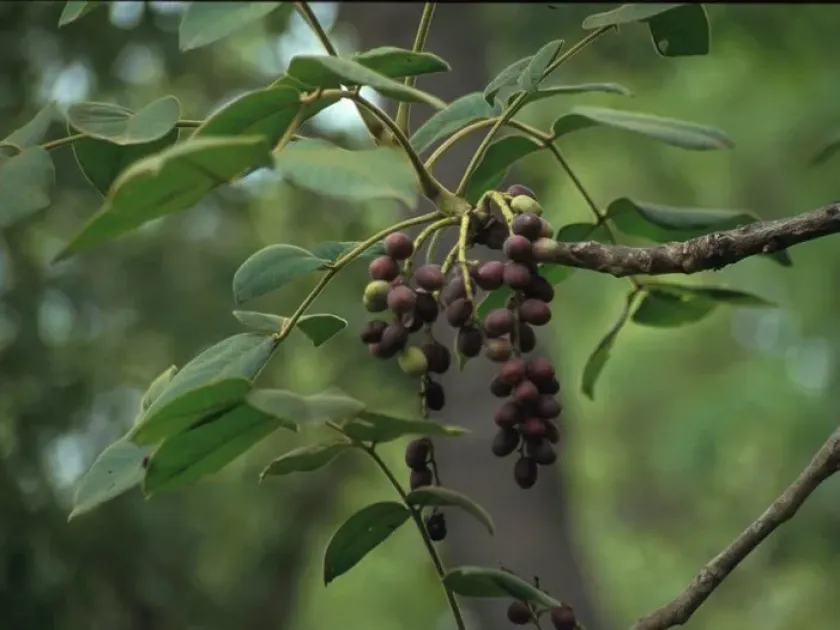
Description
Growing requirements
Lannea barteri is a prominent species within the Anacardiaceae family, native to the tropical regions of Africa. This deciduous tree is recognized for its adaptability to savannah landscapes and harsh tropical environments.
Botanically, the tree is characterized by a robust trunk and distinct foliage, which allows it to thrive under high solar radiation levels. It typically grows in regions defined by clear alternating wet and dry seasons.
Regarding soil requirements, Lannea barteri performs best in well-drained, sandy-loam soils. It is highly intolerant of waterlogged conditions, making proper site selection and drainage preparation essential for its development.
Climatic adaptability is one of the tree's strongest traits; it successfully withstands prolonged drought periods by entering a semi-dormant state. Warm temperatures throughout the year are conducive to sustained growth.
Economic and agricultural utility is diverse. The tree provides timber, tannins, and vital medicinal compounds extracted from its roots and bark, which are highly valued in ethnobotanical practices throughout its native range.
Main diseases and pests
The primary threats to Lannea barteri include fungal infections often exacerbated by poor drainage. Maintaining an aerated soil environment is vital to prevent root rot and systemic fungal issues.
Insect pests such as wood-boring beetles present significant challenges, particularly in aging trees. Regular monitoring of the trunk and bark integrity is necessary to mitigate long-term damage.
Young plantations are vulnerable to locust swarms and various leaf-eating insects. Protective measures, including biological control or mechanical barriers, are recommended during the early establishment phase.
Pathogen spread is usually facilitated by overcrowding. Ensuring adequate spacing between trees helps improve airflow, which naturally reduces the prevalence of common tropical tree diseases.
Integrated pest management strategies focusing on native biodiversity can help keep the population of harmful pests in check without relying solely on chemical pesticides, ensuring a sustainable growth model.