
Lannea acida
Lannea acida
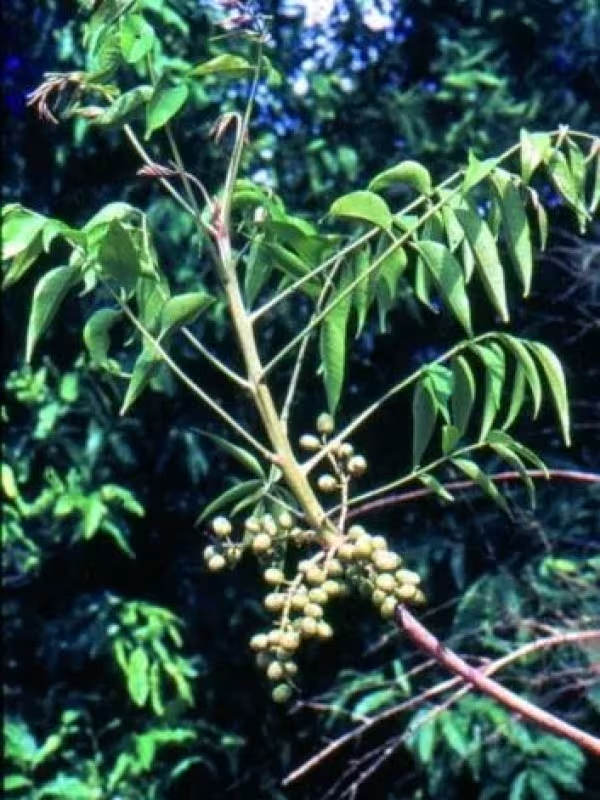
Description
Growing requirements
Lannea acida is a deciduous tree belonging to the Anacardiaceae family, native to the savanna regions of West and Central Africa. It is highly valued for its resilience in harsh climatic conditions, making it a key species in regional agricultural systems.
The tree requires full sun exposure and warm temperatures to thrive. It is exceptionally well-adapted to environments with a long dry season, showing significant drought tolerance once the root system is established.
Regarding soil requirements, Lannea acida prefers well-drained, sandy or loamy soils. It cannot tolerate waterlogged conditions, which are detrimental to its health and can lead to rapid decay of the root system.
Agricultural management includes site selection with adequate drainage and initial protection for seedlings. As the tree grows, it requires minimal maintenance, though pruning may be necessary to manage its form for fruit production or timber collection.
The plant has extensive utility: its fruits are edible, and its bark and roots are widely used in traditional medicine to treat various ailments including inflammation and digestive issues. It also serves as a vital component in local agroforestry.
Main diseases and pests
Insect pests are the primary threat to the tree, as they can bore into the wood and weaken the internal structure, making the tree vulnerable to breakage.
Fungal infections often target the foliage during humid periods, potentially causing leaf spot diseases and inhibiting the photosynthesis process.
Parasitic plants like mistletoe frequently attach to Lannea branches, competing for nutrients and water, which slows down the growth of the host tree.
Root rot becomes a significant issue if the soil conditions are poorly drained, especially in high-rainfall zones or during irrigation errors.
Over-harvesting of the bark for medicinal preparations poses a major threat to mature specimens, often leading to secondary infections through unhealed wounds on the trunk.