
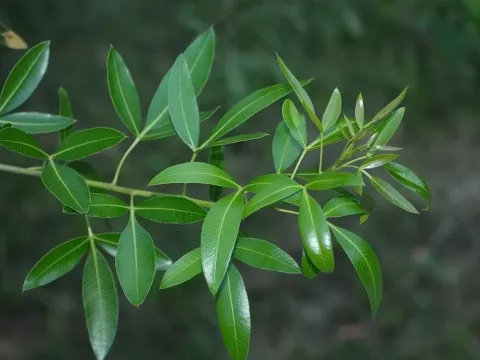
Lithraea
Lithraea
Lithraea is a genus of evergreen trees and shrubs belonging to the Anacardiaceae family. Its most notable species, Lithraea molleoides, is native to South American regions, including Argentina, Brazil, and Uruguay.
What the section contains


Lithraea
The plant thrives in subtropical and warm temperate climates, showing significant tolerance to dry spells and drought once it is well-established in the environment.
For optimal growth, Lithraea requires well-drained soils and sunny locations. It is highly sensitive to waterlogged conditions, which makes site selection a critical factor in agricultural planning.
The soil should ideally be neutral or slightly acidic. The plant can adapt to stony or poor soils, provided that the drainage conditions are sufficient to prevent root rot.
It is important to note that the sap of some Lithraea species contains phenolic compounds that can cause skin irritation, thus requiring caution during pruning and general maintenance work.
The economic value of Lithraea is primarily derived from its high-quality timber, which is dense, durable, and highly valued for furniture manufacturing and carpentry.
Lithraea is also a significant melliferous plant, providing high-quality nectar for bees, which contributes to the production of specialized types of local honey.
The leaves and bark contain specific phytochemicals, including flavonoids, which are traditionally used in pharmaceutical research and folk medicine for their properties.
In landscaping and forestry, Lithraea is effectively used for soil erosion control and hillside stabilization due to its extensive and deep root system.
As a relatively slow-growing species, the agricultural cycle requires long-term management, focusing on selective harvesting and sustainable plantation practices.
Lithraea possesses a strong natural resistance to many common insect pests, largely due to the presence of resinous substances in its leaves and wood.
The primary threats to this culture are fungal diseases, which are usually induced by excessive humidity, poor air circulation, or soil water stagnation.
Root rot is a major risk, especially when the plant is grown in clay-heavy or poorly drained soils, leading to canopy decline and eventual death of the tree.
Weed management during the sapling phase is crucial, as the plant can struggle to compete for resources with aggressive ground cover in the early years.
Integrated pest management strategies should focus on maintaining tree health through thinning and sanitation, ensuring that sunlight penetrates the canopy effectively.