
Japanese sumac
Rhus japonica
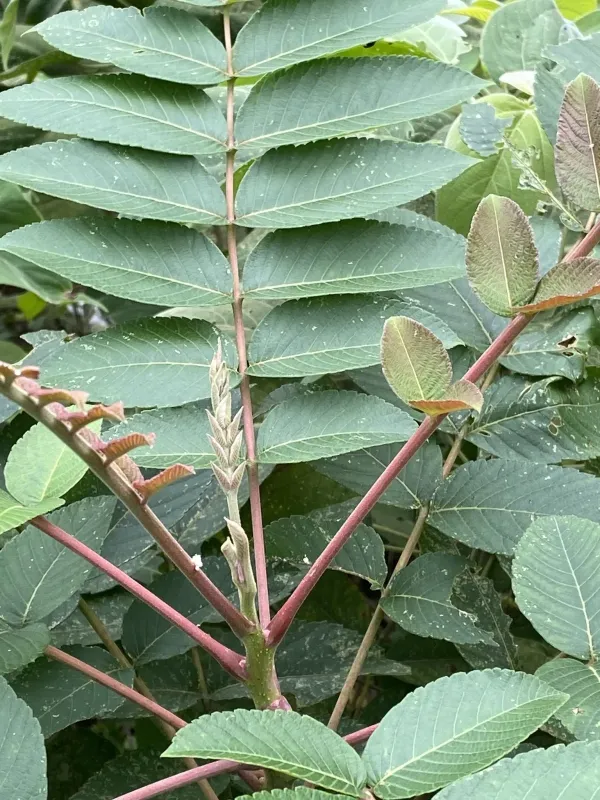
Description
Sowing dates
Propagating Japanese sumac from seeds involves scarification due to the hard seed coat that restricts germination under normal environmental conditions.
Seeds are typically sown in early spring after the risk of frost has passed, ensuring the soil temperature is adequate for active seed germination.
For industrial cultivation, spacing is maintained to allow sufficient access for machinery and to optimize the growth area for each individual plant.
Vegetative propagation using semi-hardwood cuttings during mid-summer offers a reliable method to replicate the traits of high-yielding mother plants.
Proper seedling maintenance includes consistent irrigation and weed control to prevent competition for nutrients during the critical establishment phase.
Growing requirements
Belonging to the Anacardiaceae family, Japanese sumac thrives in temperate climates and requires full sunlight exposure for optimal photosynthetic activity.
The plant is highly versatile regarding soil types, adapting well to sandy, loamy, and rocky soils provided they have excellent drainage characteristics.
While the species is drought-tolerant, supplemental watering during prolonged dry spells is recommended to maximize the biomass required for industrial use.
Soil pH levels should be monitored, as this species performs best in soils ranging from slightly acidic to neutral, avoiding highly alkaline conditions.
Cold protection for young plants is necessary in regions with severe winters, as the stems may suffer frost damage if not properly hardened off.
Main diseases and pests
The primary pests affecting Japanese sumac include aphids and leaf-eating beetles, which can significantly damage young leaves and reduce overall vitality.
Fungal diseases like powdery mildew are common in humid environments with poor air circulation, necessitating corrective pruning and fungicide application.
Root rot can occur in soils with poor drainage, which highlights the importance of site selection and careful irrigation management during the growing season.
Integrated Pest Management (IPM) practices are encouraged to mitigate the use of synthetic chemicals while maintaining the health of the sumac plantation.
Regular field scouting allows for the early detection of localized infestations, enabling targeted interventions before damage spreads across the entire crop.
Harvesting
Japanese sumac is valued primarily for its high tannin content found in the leaves, bark, and galls, which are essential for the leather tanning industry.
Harvesting is typically scheduled during the peak growth season when the concentration of polyphenols and secondary metabolites is at its highest level.
The harvested plant materials must be dried promptly in controlled, well-ventilated settings to preserve the chemical integrity of the extracted substances.
Proper post-harvest processing and storage are critical to preventing mold and decay, ensuring that the raw material meets quality standards for trade.
By implementing strategic pruning techniques, growers can manage the canopy structure to encourage vegetative growth and increase annual yield efficiency.