
Lannea triphylla
Lannea triphylla
Description
Growing requirements
Lannea triphylla is a species belonging to the Anacardiaceae family. This tree species is native to the arid landscapes of East Africa, where it has adapted to survive in harsh savanna and shrubland ecosystems.
The plant exhibits high tolerance to drought and poor soil conditions. It thrives in well-drained, sandy or gravelly substrates that allow for proper root development while preventing waterlogging, which is detrimental to the species.
Climate requirements include high solar radiation and significant temperature variations. As a heliophilous species, it requires full sunlight to maintain vigor and stimulate the production of fruit and biomass.
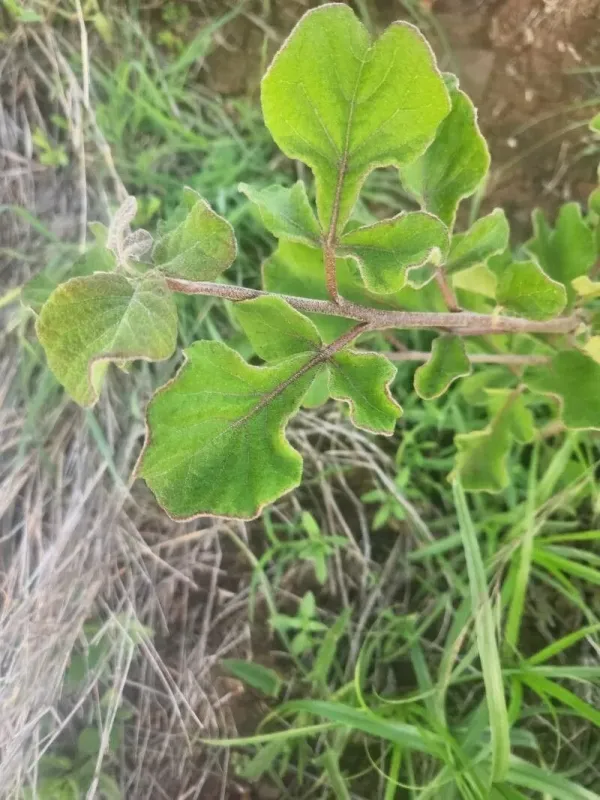
Botanically, it is characterized by its trifoliate leaves and its ability to store moisture in its tissues. This makes it a highly resilient species suitable for reforestation in semi-arid regions where other crops fail.
Agrotechnical management should focus on initial protection during the seedling phase. Once established, the plant requires very little intervention, as it is highly efficient in its nutrient uptake and water management.
Harvesting
The harvesting of Lannea triphylla is primarily focused on its fruits, which provide essential nutrition in its native range. The fruits are typically collected by hand when they reach optimal maturity.
Local communities utilize the fruits in various dietary applications. They serve as a vital source of antioxidants and vitamins for populations living in regions where food security is a constant challenge.
The timber obtained from Lannea triphylla is lightweight and used for creating tools and household items. Sustainable harvesting practices are essential to ensure the longevity of the plant population.
Secondary uses of the plant involve the extraction of compounds from the bark for traditional medical practices. These extracts are valued for their bioactive properties, requiring careful handling during collection.
Harvesting efficiency is improved by focusing on periodic collection cycles. By preventing over-harvesting, local producers can maintain a sustainable supply of fruits and wood over several growing seasons.