
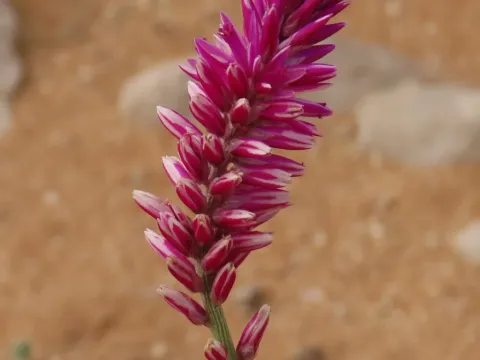
Hermbstaedtia
Hermbstaedtia
Hermbstaedtia is a genus of plants belonging to the Amaranthaceae family, originating from the arid regions of Southern Africa. These plants are uniquely adapted to harsh, dry environments.
What the section contains


Hermbstaedtia
For successful cultivation, seeds should be sown in well-draining, sandy soil once the risk of frost has completely passed. The soil must be warm to ensure rapid germination.
In temperate climates, starting seeds indoors 6 to 8 weeks before the last frost date is recommended. This provides a head start and ensures a longer flowering season for the plants.
Seeds require light to germinate, so they should not be buried deeply; covering them with a very thin layer of fine sand or vermiculite is generally sufficient for optimal growth.
Spacing is crucial for Hermbstaedtia; planting them at intervals of 20-30 cm allows for proper airflow, which is essential to prevent fungal issues in high-humidity periods.
The primary requirement for Hermbstaedtia is full sun exposure. These plants thrive in intense light, which promotes compact growth and prevents the stems from becoming leggy.
Soil type should be sandy or loamy with excellent drainage. A neutral to slightly alkaline pH is preferred, as these plants are accustomed to nutrient-poor, mineral-rich environments.
While the plants are highly drought-tolerant, supplemental watering is beneficial during prolonged dry spells to maintain high flower production and general plant vigor.
Avoid excessive fertilization, as nitrogen-heavy feeds encourage excessive foliage growth at the expense of floral development, which is the main decorative feature of the plant.
Temperature tolerance is high, and Hermbstaedtia performs exceptionally well in hot summer climates where other ornamental species may struggle with heat-induced stress.
In a horticultural context, the yield of Hermbstaedtia is measured by the quality and duration of its blooming. Properly managed plants produce numerous spike-like inflorescences.
To enhance productivity, regular deadheading of spent blossoms is recommended. This practice directs the plant's energy into producing new buds rather than developing seeds.
Seed production is a common goal for nurseries and collectors. Plants should be allowed to mature fully at the end of the season to ensure the seeds reach maximum viability.
Harvesting seeds effectively involves monitoring the color change of the seed pods; when they turn brown, they are ready to be collected and processed for storage.
Yield stability is high, as the species is genetically predisposed to survive and reproduce under variable, often stressful environmental conditions, ensuring reliable crop outcomes.
Common threats to Hermbstaedtia include root pathogens, which are almost exclusively triggered by waterlogged soil conditions. Proper drainage is the best preventative measure.
Spider mites are the most significant pest, particularly in hot and arid environments. They thrive in dry conditions and can quickly cause leaf yellowing and reduced vigor.
Aphids may occasionally attack the tender growing tips. Integrated pest management, such as introducing natural predators or using insecticidal soaps, is usually sufficient.
Fungal issues like powdery mildew can occur if the humidity remains high and the air circulation around the base of the plant is restricted by dense growth or weeds.
Regular monitoring and physical removal of weeds are essential, as competing vegetation can trap moisture and harbor pests, negatively impacting the health of the crop.
For fresh cut flower arrangements, stems should be harvested early in the morning when the plant tissues are most turgid and fully hydrated for longevity.
Drying for ornamental use requires cutting the inflorescences at the peak of their maturity and hanging them upside down in a cool, dark, and well-ventilated area.
Seed harvesting should be performed when the seed heads are completely dry and brittle. Manual harvesting is usually preferred to preserve the integrity of the fine seeds.
After cleaning and sorting, the seeds should be stored in a cool, dry environment to maintain a high germination percentage for the following growing season.
Proper harvest technique ensures that the quality of the genetic material is preserved, supporting both home garden sustainability and small-scale commercial seed production.