
Hermbstaedtia linearis
Hermbstaedtia linearis
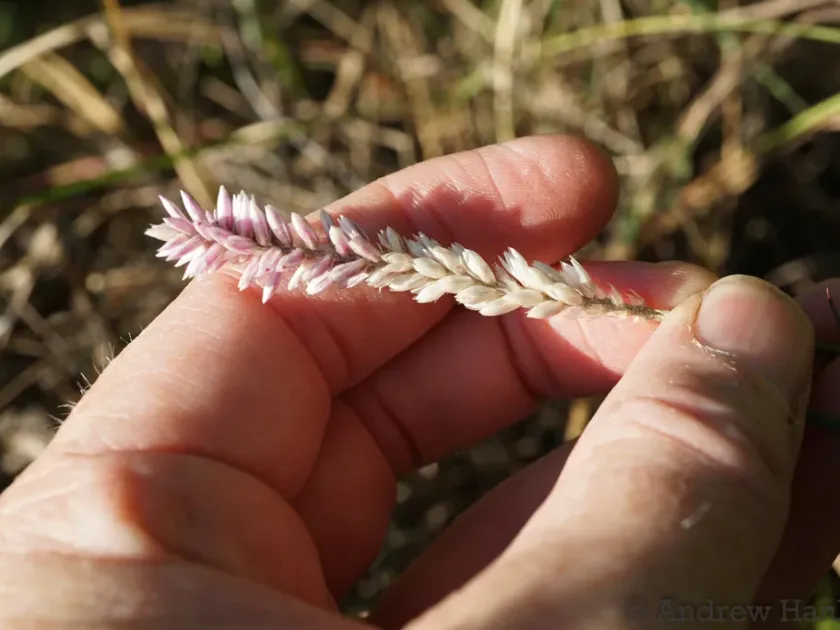
Description
Growing requirements
Hermbstaedtia linearis belongs to the Amaranthaceae family and is recognized for its adaptation to arid and semi-arid environments. This plant is traditionally valued for its resilience in regions where common crops fail due to extreme heat and water scarcity.
Originating from Southern Africa, the species is naturally adapted to poor, sandy soils and high solar radiation. Its survival mechanism involves deep root penetration and specialized leaf structures that prevent excessive transpiration.
The botanical architecture consists of slender, linear leaves and a sturdy stem structure. This morphological configuration allows the plant to maintain biomass production even under prolonged dry spells.
Regarding soil requirements, the plant thrives in well-drained, porous media. It is highly intolerant of waterlogging, which often leads to rapid decay of the root system and total yield loss.
Climate adaptation is a key feature, as the species requires high thermal accumulation to complete its life cycle. It is considered an excellent candidate for regions experiencing desertification or those with limited irrigation resources.
Main diseases and pests
The primary agricultural threats include soil-borne pathogens such as Fusarium species, which flourish if the moisture levels in the root zone are not carefully managed. Proper drainage is the most effective preventative measure.
Insect pests, including various aphids and leaf-chewing beetles, can cause significant damage during the intensive growth stage. Integrated pest management (IPM) practices are recommended to mitigate these risks without harming beneficial insects.
Weed interference poses a major challenge during the germination phase. The plant's slow initial growth rate necessitates efficient mechanical weeding or precision row cultivation to reduce competition for nutrients.
Viral pathogens may cause mosaic symptoms and stunted growth in affected populations. The spread is often facilitated by sap-sucking insects, requiring early intervention and control of vector populations.
Environmental stress, particularly erratic rainfall patterns, can exacerbate the impact of secondary infections. Maintaining soil health through crop rotation and proper pH balance is crucial for ensuring the long-term vitality of the stand.