
Hermbstaedtia fleckii
Hermbstaedtia fleckii
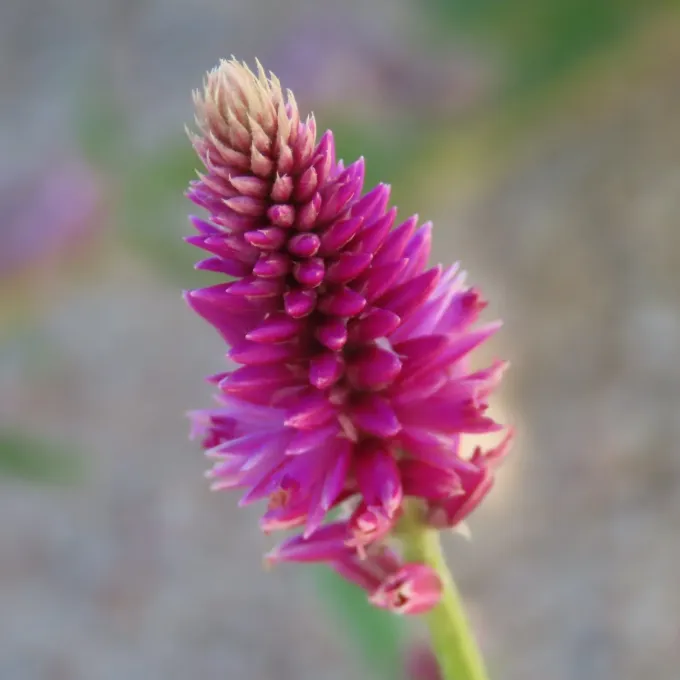
Description
Sowing dates
Sowing of Hermbstaedtia fleckii should be timed with the onset of the rainy season to maximize seedling establishment. The seeds require specific soil temperatures, generally between 20°C and 25°C, to ensure uniform germination.
A shallow sowing depth is essential, as the seeds are small and have limited energy reserves for deep emergence. Precision seeding equipment is recommended to maintain optimal plant density and reduce competition for limited moisture.
Early-stage management involves careful weed control, as the seedlings develop slowly compared to aggressive pasture grasses. Once the plant achieves a robust root system, it becomes highly competitive.
Spacing should be optimized based on the target usage, whether for forage production or as a protective cover crop. Wide rows allow for better moisture penetration and easier inter-row maintenance during the early vegetative phase.
After the establishment phase, the crop requires minimal intervention. It is highly sustainable, as it relies on natural precipitation patterns and is well-adapted to the local ecosystem's constraints.
Growing requirements
Hermbstaedtia fleckii is a perennial herb belonging to the Amaranthaceae family, known for its remarkable ability to thrive in extremely arid environments. Native to the harsh landscapes of Southern Africa, it is considered a model species for drought-resilient agriculture.
The plant demonstrates significant biological adaptation to sandy and nutrient-poor soils. Its root system is deep and expansive, allowing the plant to reach moisture reserves that are inaccessible to many conventional crops.
Botanically, Hermbstaedtia fleckii exhibits features typical of xerophytes, such as specialized leaf structures to prevent water loss and efficient metabolic processes that allow photosynthesis under high-temperature stress.
Optimal environmental requirements include full sun exposure and well-draining soil structures. The plant does not tolerate waterlogging, which can cause rapid root rot and decline in stand health.
In terms of climate, it flourishes in regions with high diurnal temperature variations. It serves as a vital genetic resource for improving the resilience of fodder species used in the reclamation of degraded arid pastures.
Main diseases and pests
The primary threats to Hermbstaedtia fleckii include soil-borne fungal pathogens that proliferate during unexpected periods of high humidity or poor soil drainage. Maintaining soil health is the best prophylactic measure.
Pest pressure is generally low due to the plant's natural chemical defenses, which deter generalist herbivores. However, in dense monoculture stands, certain leaf-chewing insects can cause localized damage.
Excessive moisture is the most critical abiotic threat to this crop. In years with unusually high rainfall, the risk of fungal infections in the stem base increases significantly, leading to potential yield losses.
Competition from invasive fast-growing weeds can choke out young plants. Effective site preparation before sowing is essential to minimize the seed bank of invasive species that could outcompete the crop.
While the plant is highly resilient, severe overgrazing before the plant sets seed can weaken the population over time. Managed grazing regimes are necessary if the plant is used primarily as a fodder resource.