
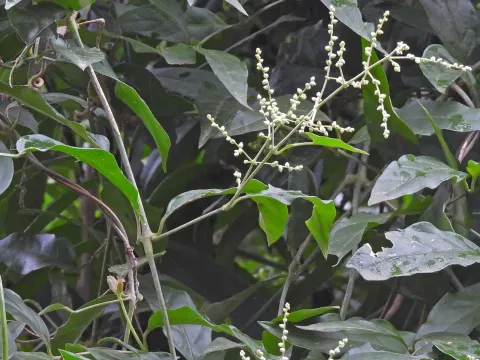
Hebanthe
Hebanthe
Hebanthe, a genus within the Amaranthaceae family, thrives in tropical climates, necessitating careful management of sowing timing in temperate zones. Direct seeding should only occur once soil temperatures consistently exceed 18–20 degrees Celsius, ensuring favorable conditions for germination.
What the section contains

Hebanthe
For regions with shorter growing seasons, starting seeds in a controlled environment is highly recommended. Seeds are sown in seed trays approximately 6–8 weeks before the last expected frost, requiring stable temperatures and high light intensity to prevent legginess.
The seeds are relatively small and should be covered with only a light layer of soil or vermiculite, no deeper than 0.5–1 centimeter. Maintaining consistent surface moisture is vital during the first two weeks until emergence is uniform across the seedbed.
Planting density is crucial for long-term health. A spacing of 30–40 centimeters between plants allows for adequate airflow, which is essential to minimize the risk of humidity-related pathogens that can thrive in dense foliage.
Once seedlings have reached the three-leaf stage, thinning or transplanting should be performed to ensure individual root systems have enough space to expand. Strong, well-spaced plants are significantly more resistant to environmental stressors throughout the growing season.
Hebanthe prefers well-draining, fertile soils rich in organic matter. A neutral to slightly acidic pH level is optimal, as it facilitates the efficient uptake of essential nutrients required for vigorous vegetative development.
Light requirements are high for this genus; full sun exposure is necessary for healthy leaf production and metabolic efficiency. In shaded environments, the plant may exhibit reduced growth rates and lower concentrations of secondary metabolites.
Watering should be consistent but cautious. While the plant can withstand short periods of dryness, waterlogged soil must be avoided at all costs, as it quickly leads to root rot and other systemic plant issues.
Temperature management is critical for optimal physiological activity. The plant performs best between 22–28 degrees Celsius, and temperatures consistently falling below 10 degrees may cause significant metabolic damage or dormant periods.
Nutrient management involves balanced fertilization throughout the growing season. Early stages benefit from nitrogen-rich inputs to promote foliage development, whereas the approach to maturity requires potassium to support overall plant hardiness.
Fungal pathogens represent the primary threat to Hebanthe, particularly in high-humidity climates. Powdery mildew and root rots are common, especially if plants are spaced too closely, hindering proper air circulation around the lower stems.
Pests such as aphids and spider mites are frequent visitors to young, tender growth. Integrated pest management, focusing on early detection and the use of natural predators, is preferred over the widespread application of chemical pesticides.
Slugs and snails can cause substantial defoliation during the early establishment phase. Protective barriers or organic baiting are standard practices used to prevent significant damage to the developing crop.
Maintaining a strict crop rotation schedule is the most effective preventative measure against soil-borne diseases. Avoiding sites previously occupied by other Amaranthaceae species helps break the lifecycle of specific plant pathogens.
Effective monitoring and sanitation are the pillars of crop protection. Removing infected leaf tissue or entire plants immediately upon symptom identification is essential to mitigate the spread of contagions within the plantation area.