
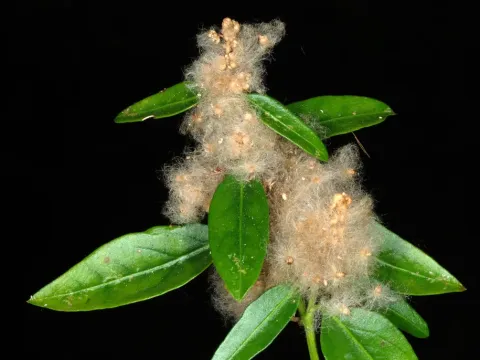
Iresine
Iresine P. Browne
Iresine is a perennial herbaceous plant belonging to the Amaranthaceae family. It originates from the tropical forests of South America, Australia, and the Pacific Islands, which determines its high requirements for warmth and humidity.
What the section contains


Iresine
Botanically, the crop is a subshrub with erect stems and brightly colored leaves, which are the main object of decorative interest. The leaf blades can have an oval or lanceolate shape with a rich purple, red, or golden hue, depending on the cultivar.
For active growth, the plant requires bright, indirect light. In conditions of insufficient lighting, Iresine shoots tend to stretch significantly, and the leaf blade loses its characteristic pigmentation, becoming paler.
The soil environment for Iresine should be loose, fertile, and have a slightly acidic or neutral reaction. It is important to ensure proper drainage, as stagnant moisture in the root system is detrimental to the plant and provokes the development of root rot.
The optimal temperature range for cultivation is 18–25 degrees Celsius. The plant is extremely sensitive to sudden temperature changes and drafts, which is why it is grown primarily as an annual ornamental crop in open ground conditions.
Iresine is susceptible to attacks by typical indoor and outdoor pests, among which aphids, spider mites, and mealybugs are the most dangerous. These insects feed on the plant's cell sap, leading to leaf deformation and general weakening of the crop.
Under conditions of high humidity and insufficient ventilation, Iresine is often affected by fungal diseases such as powdery mildew. Also, with excessive watering, there is a high risk of stem and root rot caused by pathogenic soil microorganisms.
Prevention includes regular inspection of the undersides of the leaves for pests and monitoring the watering regime. In case of mass infestation, modern insecticides and acaricides are used, corresponding to the regulations for the protection of ornamental plants.
An important aspect of protection is the timely pruning of damaged or wilting shoots. This not only improves the appearance of the plant but also helps improve air circulation around the stems, reducing the risk of infection outbreaks.
Adherence to quarantine measures when adding new specimens to the collection allows minimizing the risk of introducing dangerous pests and diseases to plantations or greenhouses with Iresine.