
Hermbstaedtia odorata
Hermbstaedtia odorata
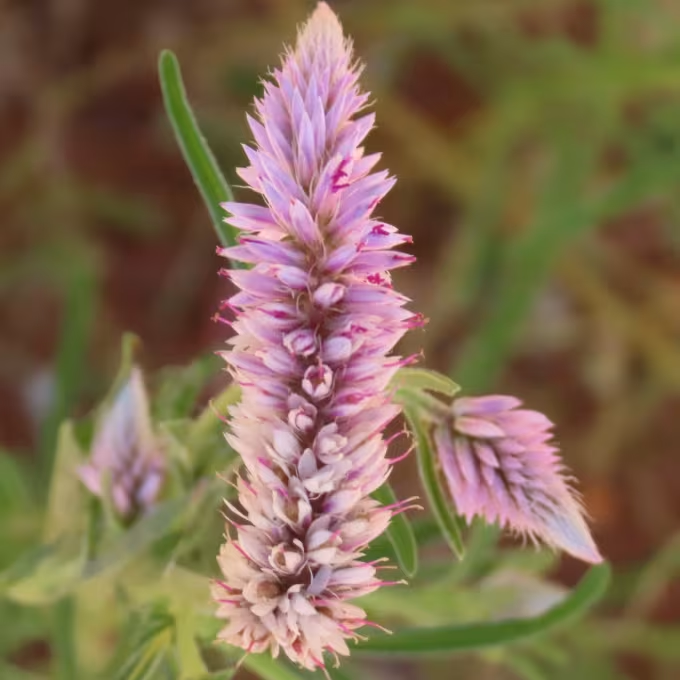
Description
Sowing dates
Hermbstaedtia odorata is an herbaceous perennial species belonging to the Amaranthaceae family. Originally native to the arid and semi-arid regions of Southern Africa, it is valued for its extreme resilience and ornamental beauty.
The sowing process begins in late spring, as the seeds require soil temperatures above 18 degrees Celsius to germinate successfully. Cold soil temperatures often lead to seed rot and uneven emergence patterns in the field.
Seeds are extremely small and should be sown near the surface of the soil with minimal covering. Using a fine-textured starter mix is recommended to ensure consistent moisture contact for the seeds while maintaining proper light exposure.
When starting in trays, growers should transplant the seedlings once they have developed their first set of true leaves. Hardening off the plants for one week before field transplanting is crucial to prevent transplant shock.
Proper spacing is essential to ensure that the mature plants do not shade each other. A spacing of at least 30–40 centimeters is recommended to allow for adequate airflow between plants, reducing the risk of fungal issues.
Growing requirements
This crop thrives in full sun exposure. As a drought-tolerant species, it requires high light intensity to maintain its characteristic compact growth habit and produce abundant, fragrant inflorescences.
The soil must be well-drained and light, such as sandy loam or sandy soil. It is highly sensitive to waterlogged conditions, which can quickly lead to root decay and the total loss of the crop within days.
Water requirements are relatively low compared to traditional vegetable crops. Deep, infrequent irrigation is preferred over shallow, frequent watering, as it encourages deeper root system development and increases the plant's overall stress tolerance.
Fertilization should be managed carefully. Excessive nitrogen application promotes vegetative growth at the expense of floral production. A balanced, low-nitrogen fertilizer applied once during the early flowering stage is usually sufficient.
The plant is highly adaptable to high temperatures and performs well in regions where traditional ornamental plants might struggle due to heat stress and low humidity levels.
Main diseases and pests
Fungal pathogens such as root rot (Phytophthora and Pythium spp.) are the primary threat to the stability of the crop. These are almost exclusively associated with improper drainage or over-irrigation.
Insect pests including aphids and spider mites can cause significant damage to the foliage and tender flower stalks. Regular monitoring of the underside of the leaves is necessary to detect early infestations before they spread.
Powdery mildew may occur if planting density is too high or if air circulation is poor, particularly during humid weather conditions. Thinning out the plants or using preventive fungicides can mitigate this risk.
Integrated pest management (IPM) practices, including the use of beneficial insects and proper sanitation of the garden space, are highly effective in managing the pest populations in this crop.
Avoiding crop rotation with other members of the Amaranthaceae family is a critical agronomic step to prevent the buildup of soil-borne diseases that are specific to this group of plants.