
Hammada
Hammada
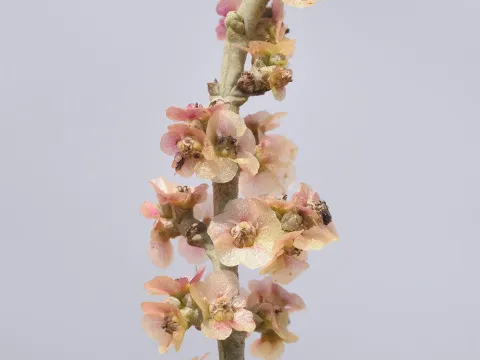
Hammada is a genus of perennial shrubs and subshrubs belonging to the Amaranthaceae family. These plants are true xerophytes and halophytes, specially evolved to thrive in the harshest arid environments globally.
What the section contains


Hammada
The culture is highly adaptable to various soil types, including saline, sandy, and rocky soils where soil moisture is extremely limited for most other vegetation types.
Key botanical adaptations include the reduction of leaves to small, scale-like structures to prevent moisture loss, and the ability of the stems to conduct photosynthesis, ensuring survival during extreme heat.
The plant possesses a deep and extensive root system, allowing it to tap into deep groundwater reserves, which is critical for surviving multi-year droughts in desert regions.
From an agricultural standpoint, Hammada is vital for phytoreclamation projects, as it effectively binds loose sands and protects topsoil from wind erosion in fragile desert ecosystems.
The primary economic use of Hammada is as a forage plant. It serves as a crucial food source for camels, sheep, and goats during the winter months when desert pastures are otherwise depleted.
The productivity of the plant varies significantly based on regional rainfall and habitat, with biomass yields typically ranging from low to moderate levels in natural range conditions.
In many rural desert communities, the wood of certain Hammada species has been historically used as high-quality fuel, valued for its density and slow-burning properties.
Scientific research has highlighted the presence of alkaloids in various species, indicating potential uses in pharmaceutical applications and the development of specialized biochemical products.
Strategically, planting Hammada is an effective method for land improvement, as these shrubs act as windbreaks and traps for snow, which gradually improves moisture levels in the immediate vicinity.
Hammada is remarkably resilient to pests and diseases due to its chemical profile, which includes high salt concentrations that deter most typical agricultural pests.
The most significant threat to the survival of these plants is overgrazing by livestock, which prevents the establishment of new seedlings and leads to the eventual thinning of the stands.
Rodents in desert habitats can pose a threat by damaging the roots of younger plants, especially during periods of extreme food scarcity in the desert environment.
Fungal pathogens causing root rot can occasionally emerge during anomalous rainfall years if soil drainage is poor, although this is not considered a widespread threat to the population.
Climate change-induced shifts in groundwater levels and persistent drought represent long-term ecological risks that could impact the natural distribution and density of the species.