
Epazote
Dysphania anthelmintica
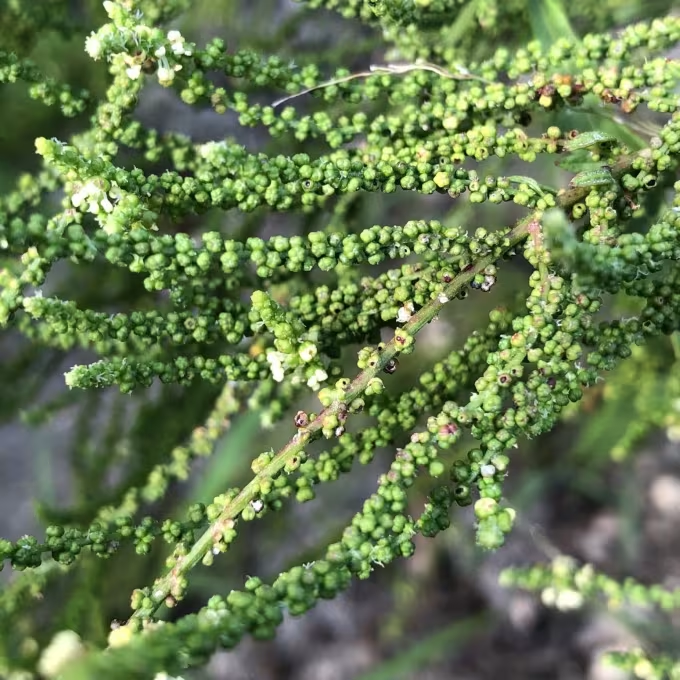
Description
Sowing dates
Epazote is typically sown in the spring once the soil temperature consistently reaches 12–15°C. Early to mid-spring is the optimal window for establishing a successful crop in most temperate regions.
The seeds are very small and should be planted at a shallow depth of 1–2 centimeters. Proper moisture levels are crucial during the germination phase to ensure even emergence across the field.
Rows should be spaced approximately 45–60 centimeters apart. This spacing is designed to allow the plants to grow into large, robust specimens while maintaining enough airflow to prevent fungal issues.
Germination typically occurs within 10 to 14 days. During the early seedling stage, it is vital to keep the soil weed-free, as young epazote plants are slow to establish and can easily be outcompeted.
Thinning the seedlings is necessary once they reach the 3-4 leaf stage. Aim for a spacing of 25-30 centimeters between plants within the row to facilitate optimal growth and canopy development.
Growing requirements
Dysphania anthelmintica is a warm-season crop that thrives in sunny, well-lit environments. It belongs to the Amaranthaceae family and requires significant light to maximize the production of essential oils.
The crop performs best in fertile, well-draining sandy loam or loamy soils. It has a low tolerance for waterlogged conditions, which can quickly lead to root rot and other physiological stresses.
While somewhat drought-tolerant once established, consistent irrigation is recommended for commercial production. Maintaining stable soil moisture promotes vigorous vegetative growth and higher biomass yields.
Good soil preparation is essential, ideally including the incorporation of organic matter. Avoid planting in fields recently used for related Chenopodium or Amaranth species to mitigate soil-borne diseases.
Field maintenance involves regular inter-row cultivation to control weeds and ensure adequate soil aeration. Fertilization with balanced nitrogen inputs can significantly enhance overall plant development.
Yield
Under optimal management, epazote can yield between 15 and 20 tons of fresh biomass per hectare. The economic value is primarily determined by the essential oil content extracted from the harvested plant material.
The main active compound, ascaridole, is concentrated in the seeds and flowering parts. Proper harvest timing is critical to ensuring the concentration of this compound meets pharmaceutical standards.
In intensive production systems, utilizing drip irrigation and precise nutrient management can boost yields of both biomass and essential oil by 20–30% compared to traditional farming methods.
Post-harvest processing, usually via steam distillation, is the standard method for oil extraction. High-quality raw material must be handled carefully to preserve the volatile terpenes responsible for its efficacy.
Regular monitoring of plant health and nutrient status throughout the season is essential to maintaining high yields, as nutrient deficiencies can negatively impact both oil quality and biomass volume.
Main diseases and pests
Epazote is known for its strong scent, which acts as a natural deterrent for some pests. However, it is still susceptible to downy mildew and various root-pathogenic fungi if conditions are too humid.
Wireworms and other soil-dwelling larvae can pose a risk to young plants, potentially reducing stand density. Preventive measures such as crop rotation are highly recommended for long-term field health.
The risk of disease is significantly higher when plants are spaced too closely or when irrigation water is allowed to pool around the base of the plant, creating an ideal environment for pathogens.
Integrated Pest Management (IPM) strategies, including biological controls and cultural practices like proper field drainage, are the most effective ways to manage threats without relying heavily on chemicals.
Early detection of infections is key to success. Routine field scouting allows growers to identify potential outbreaks before they become widespread and compromise the quality of the harvested crop.
Harvesting
The harvest should be timed with the peak of flowering or the onset of seed formation. This period is when the concentration of essential oils, particularly ascaridole, is at its absolute maximum.
Plants are mechanically mowed or hand-harvested at a height of approximately 15 centimeters. The biomass must be transported quickly to drying facilities to prevent degradation of the essential oils.
Drying should be conducted in shaded, well-ventilated areas or specialized ovens at temperatures not exceeding 40-45°C. Excessive heat will cause the valuable volatile oils to evaporate prematurely.
After the material is thoroughly dried, it is threshed to separate the seed and flowering parts from the stem. This seed fraction is the primary target for extraction in most industrial applications.
Proper storage in airtight containers is vital to maintain the potency of the product. The final dried product should be kept in a cool, dark location until it is transported for industrial processing.