
Dysphania schraderiana
Dysphania schraderiana
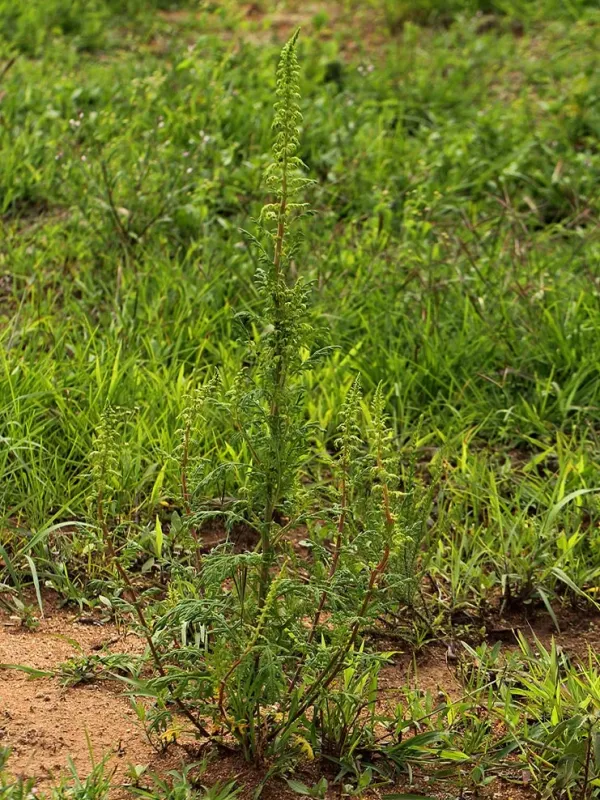
Description
Sowing dates
Dysphania schraderiana is a warm-season crop that thrives when planted in well-warmed soil, free from the threat of late spring frosts.
The ideal time for sowing is typically late May or early June, when ambient temperatures remain consistently above 15 degrees Celsius to ensure rapid germination.
Because the seeds are extremely small, they should be sown shallowly, ideally not more than 0.5 centimeters deep, to allow enough light to stimulate emergence.
For regions with shorter growing seasons, starting the seeds indoors in trays or pots about 3-4 weeks before the last frost date can provide a significant head start.
When sowing directly into the field, ensure adequate spacing between rows—roughly 40 centimeters—to allow the plants enough room to develop their foliage fully.
Growing requirements
This crop prefers sunny, open environments where the soil drains freely, preventing the accumulation of water around the root system, which can be detrimental.
Light, sandy loam soils with moderate organic matter content are considered optimal for maximizing the development of this specific plant species.
Consistent, moderate moisture is essential throughout the growing season, though the plant can tolerate slight dry periods once the root system has become firmly established.
Weed management is critical during the early stages of growth, as the young seedlings can be easily outcompeted by aggressive weeds in the surrounding area.
As a member of the Amaranthaceae family, it is important to avoid planting this crop in soil previously occupied by other close relatives to minimize disease risk.
Main diseases and pests
Aphids represent the most significant pest threat, often clustering on the undersides of leaves and on tender flower spikes, which can severely weaken the plant.
Fungal issues such as downy mildew can appear during periods of high humidity or poor air circulation, manifesting as spots or surface growth on the foliage.
Root rots are frequently associated with improper irrigation practices, specifically when the soil stays saturated for too long, creating an anaerobic environment.
Early detection and intervention are key, using integrated pest management strategies to keep the crop healthy without relying exclusively on chemical treatments.
Regular monitoring of the field is recommended, particularly during mid-summer when the plant is at its most vulnerable to insect infestations and foliage diseases.
Harvesting
The harvesting process for aromatic leaf production should take place just as the plant begins to bloom, capturing the peak concentration of volatile essential oils.
If the harvest is intended for seed collection, wait until the flower heads begin to dry and turn brownish in color, indicating full maturity and viability.
Harvested material must be dried in a dark, airy environment to preserve the volatile compounds that provide the plant with its characteristic scent and flavor profile.
After the drying phase, the material should be gently processed and cleaned to ensure the final product is free from stems, debris, and soil particles.
Storage should be conducted in airtight containers kept in a cool, dry place to maintain the quality and aromatic intensity of the dried plant material for future use.