
Dysphania multifida
Dysphania multifida
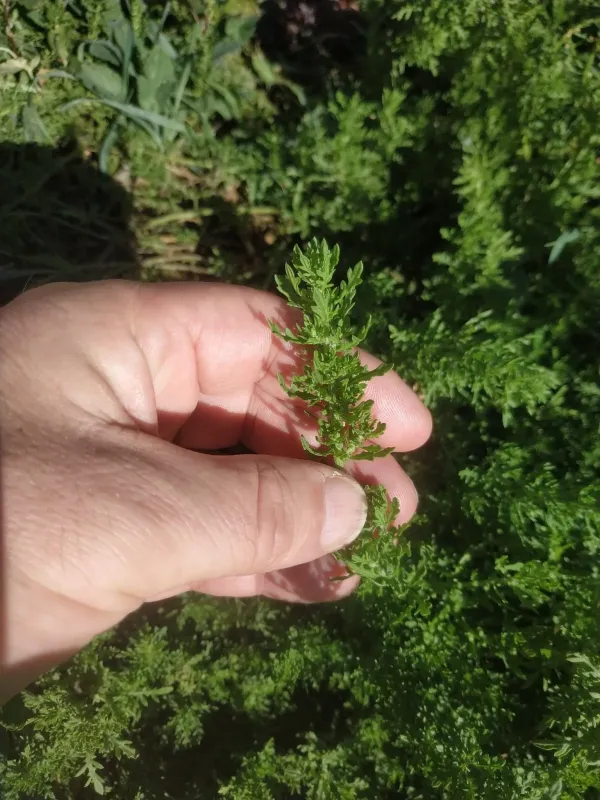
Description
Sowing dates
Dysphania multifida is an annual plant that requires a warm soil environment to germinate successfully, typically starting in mid-to-late spring.
Seeds should be sown at a shallow depth of approximately 1 centimeter in rows spaced 40 to 50 centimeters apart to accommodate the plant's spread.
It is recommended to prepare a finely crumbled seedbed to ensure uniform moisture contact, which significantly improves the germination rate for small-seeded crops.
Timing is crucial, as the plant needs a long frost-free growing season to reach its full vegetative potential before the onset of autumn cooling.
For large-scale cultivation, precision seeder equipment can be adjusted to ensure optimal seed spacing and minimize the need for manual thinning later.
Growing requirements
Belonging to the Amaranthaceae family, Dysphania multifida thrives in well-drained, sandy loam soils with a balanced nutrient profile.
Full sun exposure is essential for the plant to produce its characteristic profile of secondary metabolites, making site selection a critical factor for success.
The plant demonstrates good adaptability to varying soil pH levels, although it performs best within the slightly acidic to neutral range.
While mature plants can endure brief dry spells, consistent soil moisture during the vegetative phase is vital for achieving optimal biomass production.
Adequate air circulation between plants is necessary to prevent high humidity buildup within the canopy, which could otherwise lead to health issues.
Main diseases and pests
Like many species in its family, Dysphania multifida is generally robust, but it can be susceptible to specific pests under intensive cultivation conditions.
Aphids represent one of the primary concerns, as they can cluster on growing tips, causing leaf curling and reduced vigor if left untreated.
Root rot diseases are rarely an issue unless the soil is chronically waterlogged, making soil drainage management a top priority for growers.
Fungal diseases like powdery mildew may occur in stagnant, humid environments, requiring prompt thinning or improved spacing as a management strategy.
Integrated pest management practices, including crop rotation and the removal of adjacent weed hosts, are effective ways to minimize these threats.
Harvesting
The harvest phase should coincide with the plant's peak flowering stage, which ensures the highest concentration of essential oils and active compounds.
Harvesting is typically done by cutting the upper aerial parts of the plant, ideally during dry weather to prevent moisture-related quality loss during drying.
Rapid drying in shaded, well-ventilated conditions is required to maintain the chemical stability and aromatic quality of the harvested biomass.
For seed production purposes, the harvest should be delayed until the seed heads exhibit signs of maturity and the foliage begins to yellow naturally.
Once dried, the product should be processed, cleaned of debris, and stored in opaque, moisture-proof containers to preserve its shelf life.