
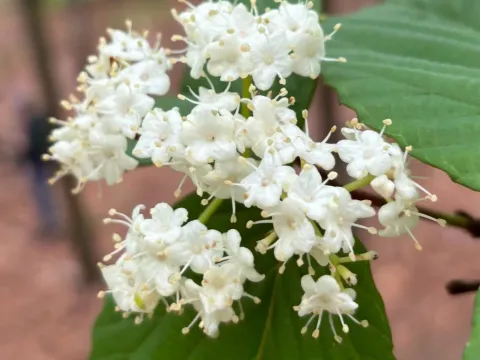
Wright viburnum
Viburnum wrightii
Wright viburnum (Viburnum wrightii) is a deciduous shrub belonging to the Adoxaceae family. Native to East Asia, specifically Japan, Korea, and parts of Russia's Far East, it is highly valued for its ornamental beauty and resilience in temperate climates.
What the section contains
Wright viburnum
The shrub thrives in fertile, moist, and well-drained soils. While it exhibits some tolerance for a range of soil types, it performs best in slightly acidic to neutral environments. Its hardy nature allows it to withstand significant winter temperatures once established.
For optimal growth, Wright viburnum should be planted in a location that receives full sun or partial shade. Exposure to sufficient sunlight is critical for promoting the development of its signature brilliant red berries and vibrant autumnal foliage colors.
Proper cultivation includes regular irrigation, especially during the early stages of growth. Maintaining consistent soil moisture is essential to support the shrub's health during the peak of summer, although it should not be subjected to waterlogged conditions.
Annual maintenance involves light pruning to preserve the natural shape of the shrub and improve air circulation. Fertilizing in early spring with a balanced fertilizer encourages vigorous development and ensures the plant remains robust against environmental stresses.
The primary utility of Wright viburnum is ornamental, making it a popular choice for landscape design, park planning, and residential gardens. Its capacity to maintain decorative appeal throughout the seasons is one of its most prized characteristics.
The plant produces masses of bright red, globular fruit that persist well into the late autumn or even early winter. These berries add significant visual interest to the garden when most other plants have entered their dormant phase.
Although the berries are technically edible, they are known for their tart, astringent flavor profile. They are traditionally processed into jellies, jams, or infused beverages, often requiring the addition of sweeteners to balance the natural acidity and bitterness.
Harvesting usually takes place after the first frost, which is an effective natural way to mellow the intensity of the berries' flavor. Careful harvesting ensures that the shrub retains its aesthetic value for as long as possible before the birds eventually feed on the remaining crop.
Beyond its culinary and visual role, Wright viburnum serves as a beneficial plant for local biodiversity, providing shelter and food for various species of birds and pollinators, thereby contributing to a balanced garden ecosystem.
While generally considered a robust species, Wright viburnum can face challenges from common pests and pathogens. Powdery mildew is perhaps the most notable disease, often triggered by stagnant, humid air around the foliage during the warmer months.
Insect pests such as viburnum leaf beetles and aphids are potential threats that can cause unsightly damage to leaves. Early detection is key; inspecting the undersides of leaves during the spring growth phase allows for immediate corrective action.
Cultural control, such as removing infested plant debris and ensuring proper spacing between plants, is highly effective in reducing disease pressure. Providing good ventilation through strategic pruning is the best preventive measure against most fungal issues.
If chemical intervention becomes necessary, targeted applications of insecticides or fungicides should be used sparingly to protect beneficial insects in the garden. Integrated pest management practices are recommended to maintain long-term shrub health.
Finally, keeping the plant well-fed and hydrated reduces its susceptibility to secondary infections, as healthy plants are significantly more capable of resisting pest attacks and recovering from localized damage without requiring intensive chemical support.